What is the “Bokeh” Effect in Photography?

Out of all the photography concepts, “bokeh” is one of the most talked about and controversial. It’s one of those things in photography that excites both new and experienced photographers alike.
One of the reasons being is that the bokeh you get depends highly on what gear you’re using. And we all know that photographers love their gear – sometimes to the detriment of their photography (and their financial well-being).
So what is the bokeh effect in photography? Let’s take a look.
Bokeh Effect in Photography
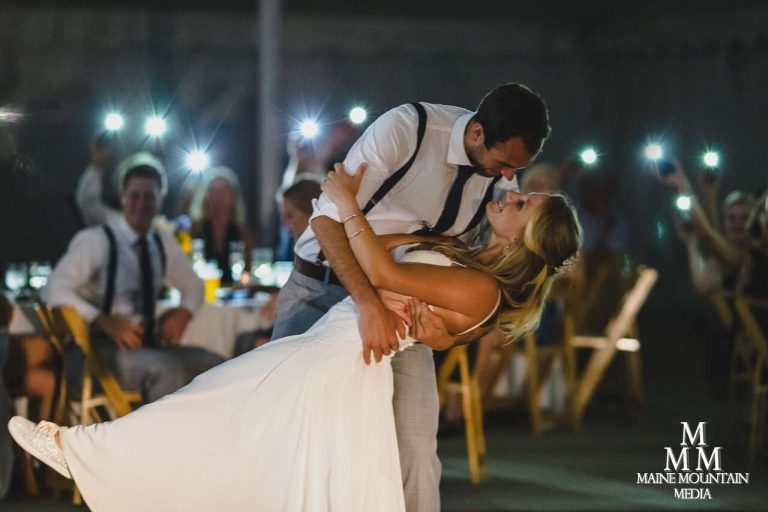
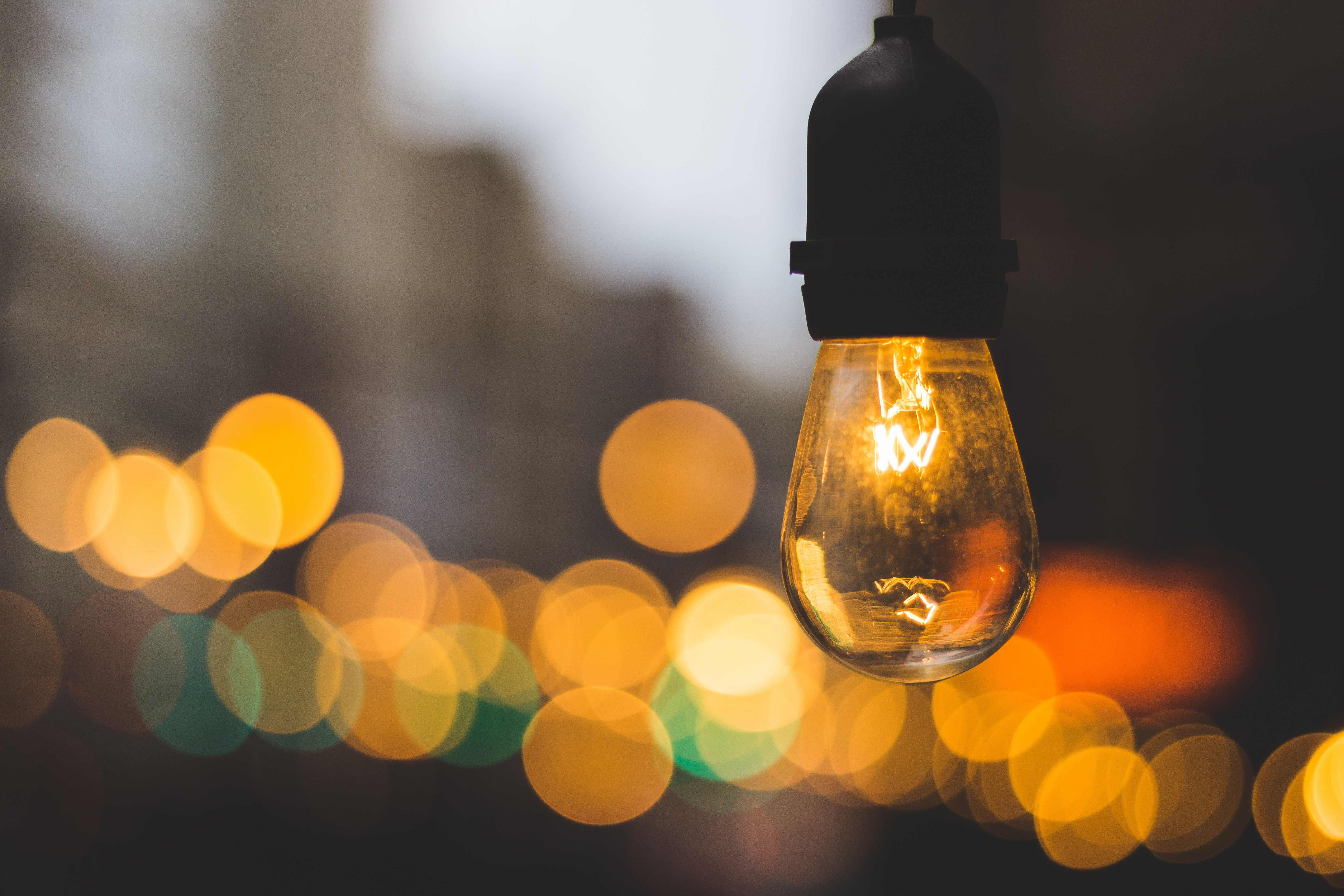
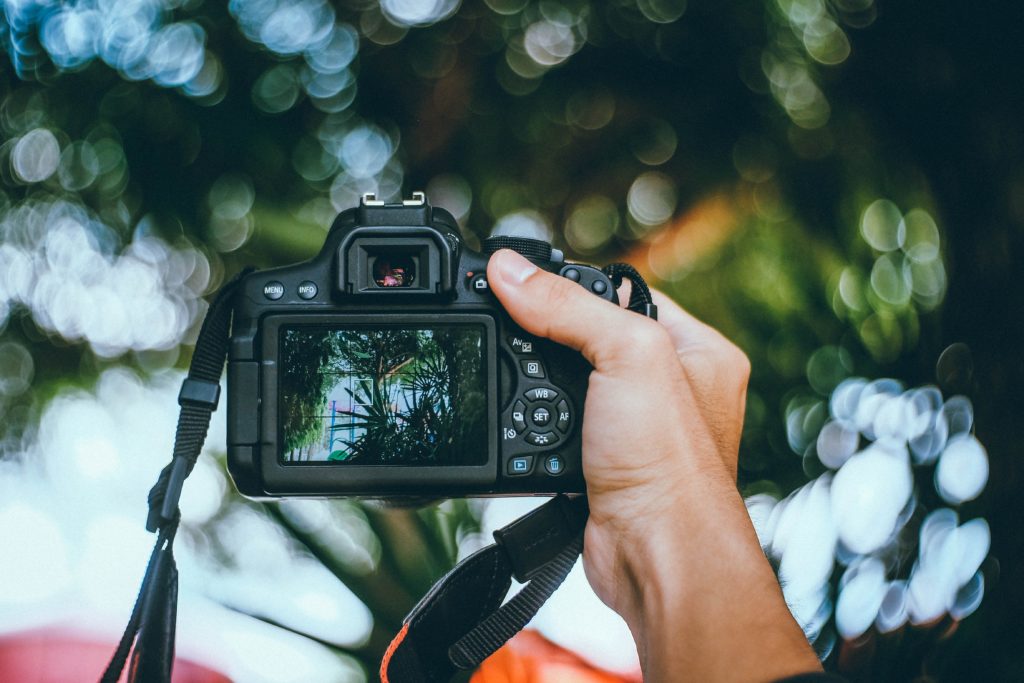
The bokeh effect in photography refers to how the out-of-focus areas of a photo look. Most photographers often judge the quality of bokeh based on the smoothness of these out-of-focus areas, although as with many things photography, whether bokeh is “good” or “bad” is relatively subjective.
How to get the bokeh effect
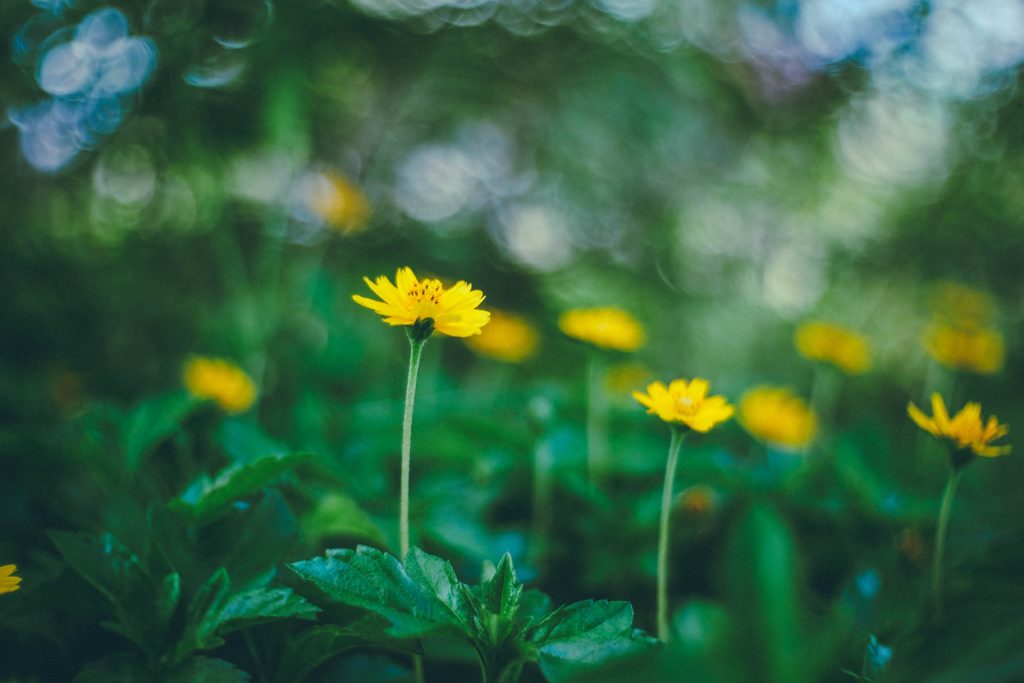
Bokeh is achieved by throwing part of an image, usually the background (but this can be done with the foreground as well) out of focus. There are two ways you as a photographer have control over that.
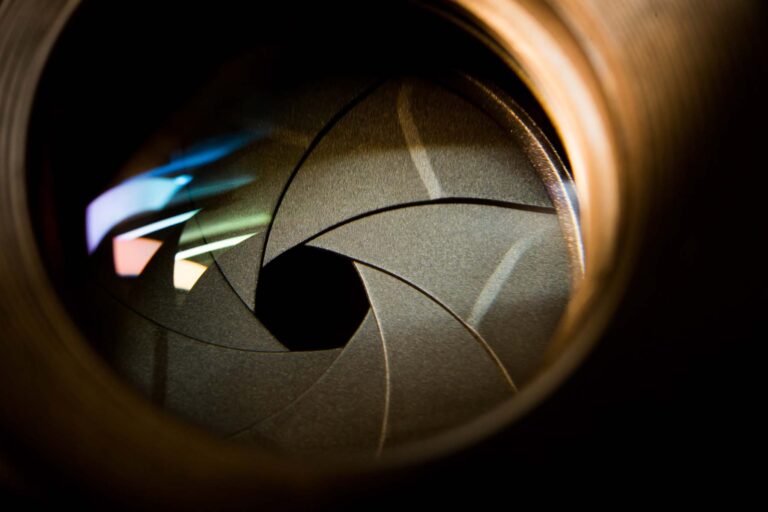
One is to choose a wide aperture. You do that by adjusting your aperture wheel to the side that gets you the smallest f-stop number. It varies from lens to lens; on some it may be f/2.8, on others f/1.8, and on others f/4 and so on.
If you want the shallow depth of field that results in bokeh, choose the widest aperture your lens goes to, or one of the smaller ones.
The other way you can get more bokeh is by getting close to your subject. The closer you are to the subject you focus on, the more bokeh you’ll get.
Can you alter the way bokeh looks?
As a photographer, you can put yourself in position to get the shallowest depth of field and the most bokeh possible, but ultimately you only have so much control. The quality and character of bokeh ultimately comes down to the equipment used, namely the lens.
You don’t have to shell out an arm and a leg to get decent bokeh – you can get good results with some of the more reasonably priced f/1.8 prime lenses. However, and this is subjective, to get that truly creamy, soft, pleasing bokeh, that comes at the higher end of the lens market.
The lenses that are considered the best of the best are pricey to most professional photographers and simply out of reach to many hobbyist photographers. That shouldn’t deter you if you’re a photographer on a budget though. Most non-photographers won’t be able to tell the difference anyway.

Conclusion
So now that you know what the bokeh effect in photography is, how do you plan on applying it to your photography? Share it with us in the comments below.