Understanding Shutter Speed

Shutter speed, along with aperture and ISO are the three components that make up the exposure triangle. In this article, I’ll do my best to put shutter speed in as simple a terms as I can.
First of all, what is a camera’s shutter?
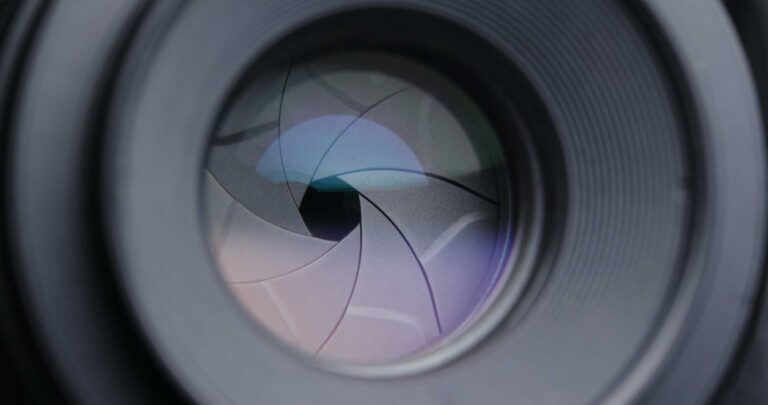
There are various types of camera shutters, but a shutter is a mechanism that opens for a certain amount of time and then closes, much like a window or door. This allows light to enter the camera for that given period of time and reach the camera’s light-sensitive material, whether it be film or a digital sensor.
If you’re more technically-minded, take a look at this video that gives a more detailed description on how camera shutters work:
What is shutter speed?
Shutter speed is the length of time in between the shutter opening and closing. It’s also referred to as exposure time.
If the shutter is left open for a longer period of time, i.e. a long or slow shutter speed, more light is allowed to enter into the camera and reach the sensor. Conversely, slower shutter speeds mean that light is allowed to enter the camera for a shorter period of time.
Shutter speed, however, doesn’t just allow light to enter the camera.
Side Effects of Shutter Speed
All three of the components of the exposure triangle lead to certain side effects that alter the quality or aesthetic of photos. With shutter speed, that side effect is either to freeze action or to create motion blur.
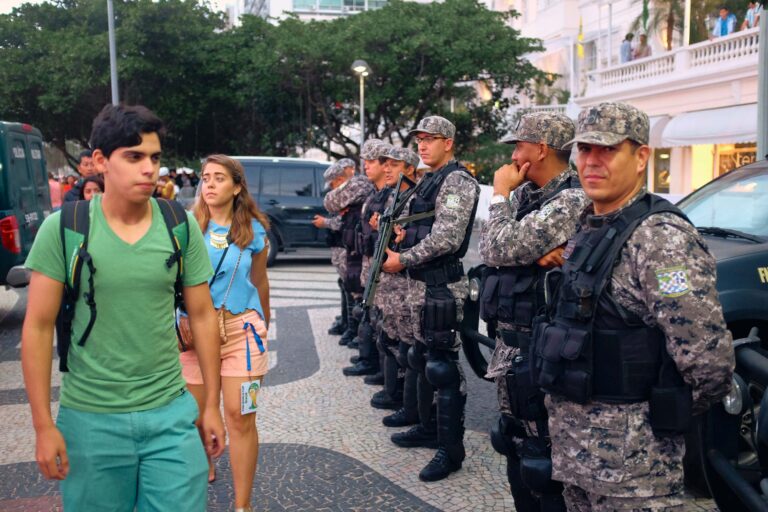
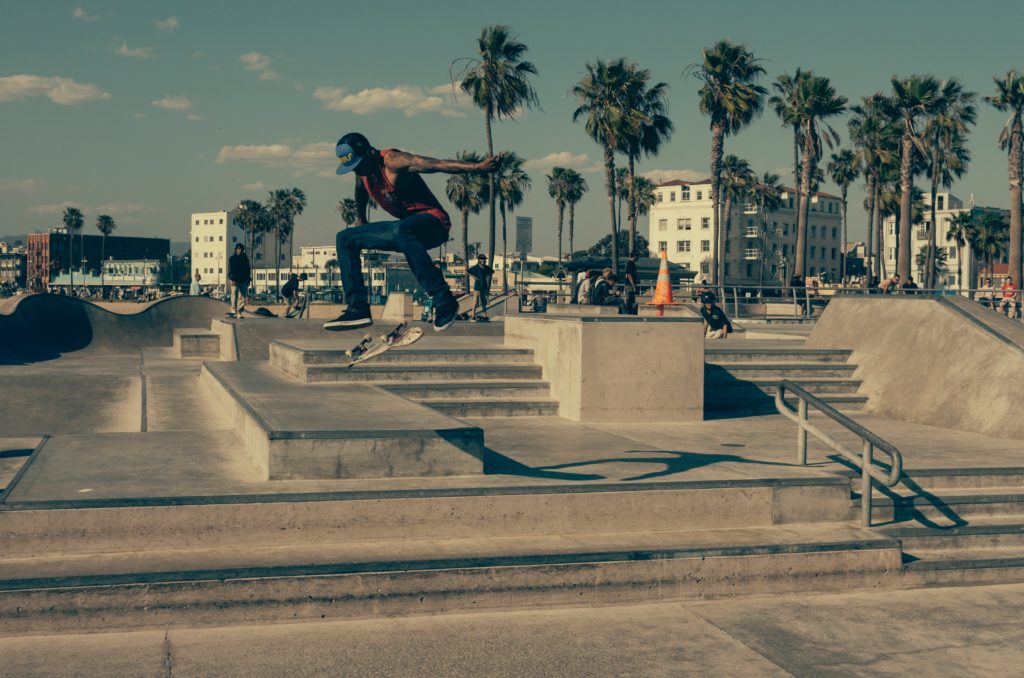
Fast shutter speeds freeze action in its place. If you’re shooting fast-moving subjects and want them to be frozen within your frame, then you’d use a fast shutter speed. By using a fast shutter speed, you can capture athletes while they’re in motion, fast-moving objects like aircraft or automobiles, birds in flight, etc.
On the flip side:
Slow shutter speeds result in what’s called “motion blur”, where any moving subjects at the time of exposure are blurred. Another similar effect can occur called “camera shake”, when the camera moves in between opening and closing the shutter. Camera shake can result in subjects or an entire image being blurred.
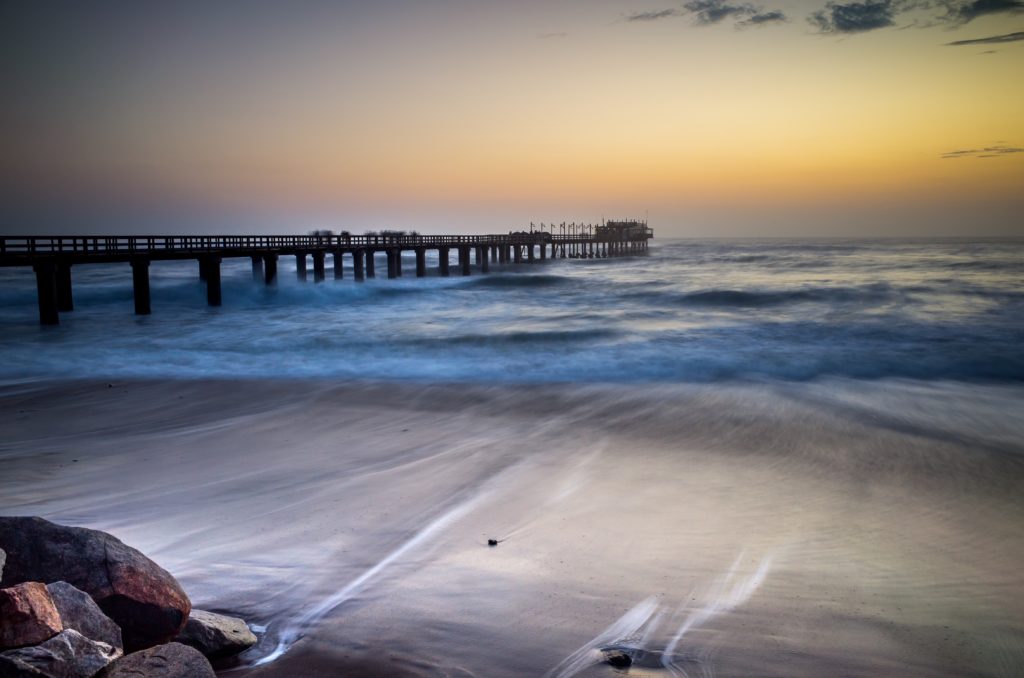
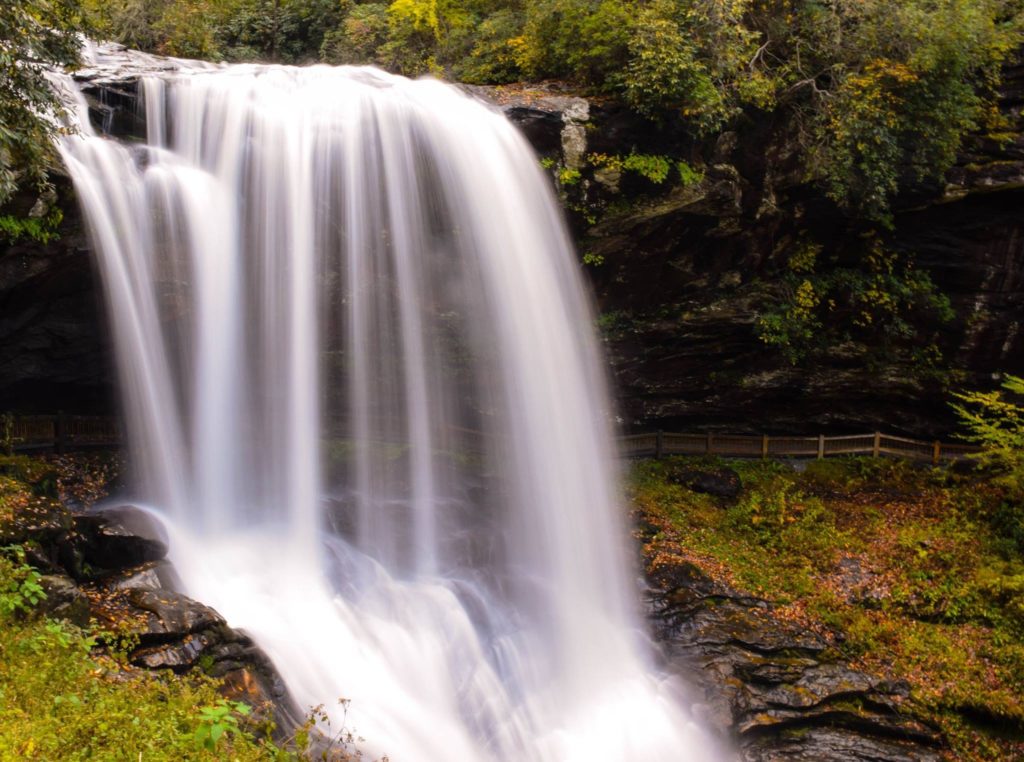
Slow shutter speeds can be used to evoke a sense of movement in your photographs. You can make water washing up on a beach look like it’s moving like this:
Or running down a waterfall look like it’s in motion, like this:
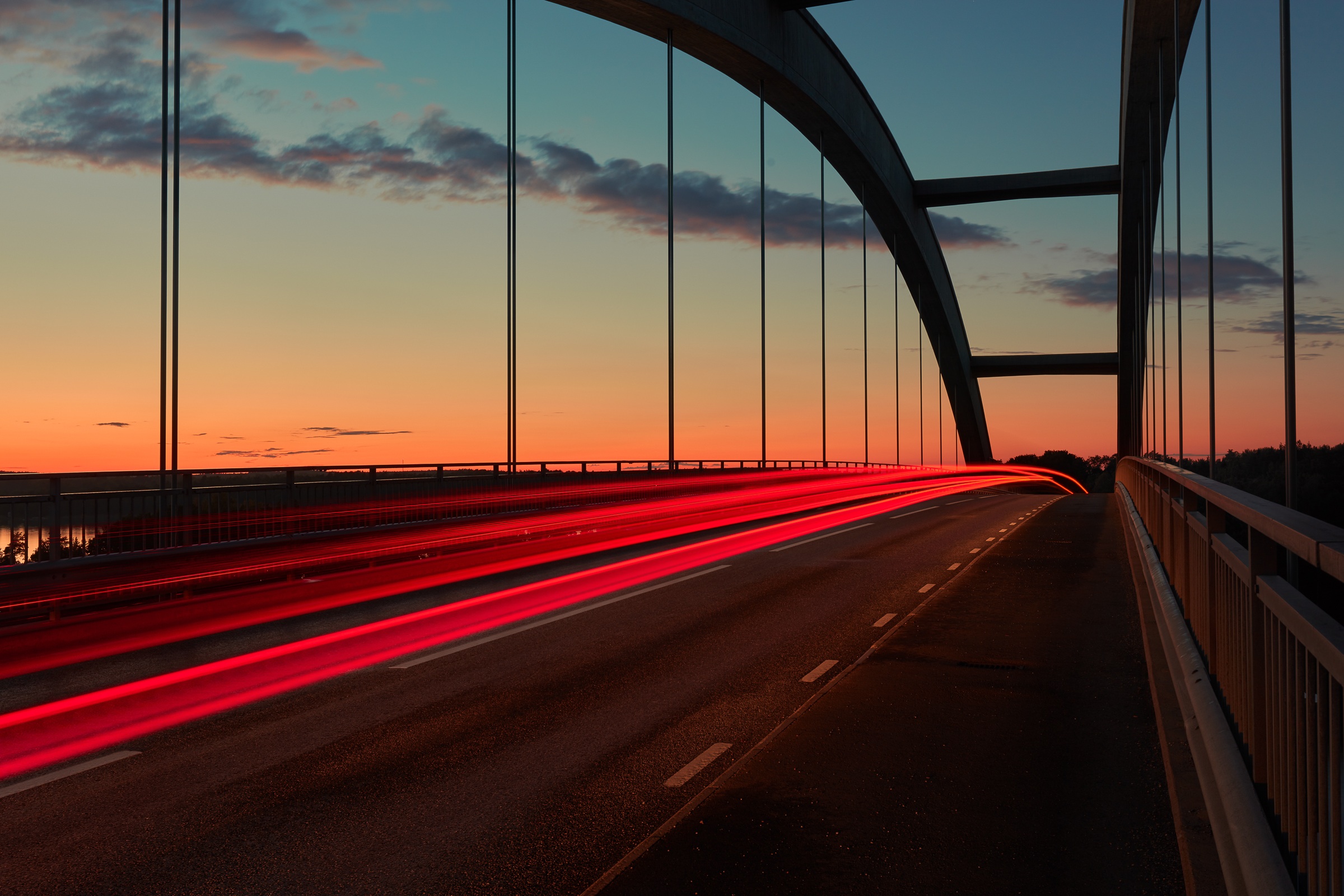
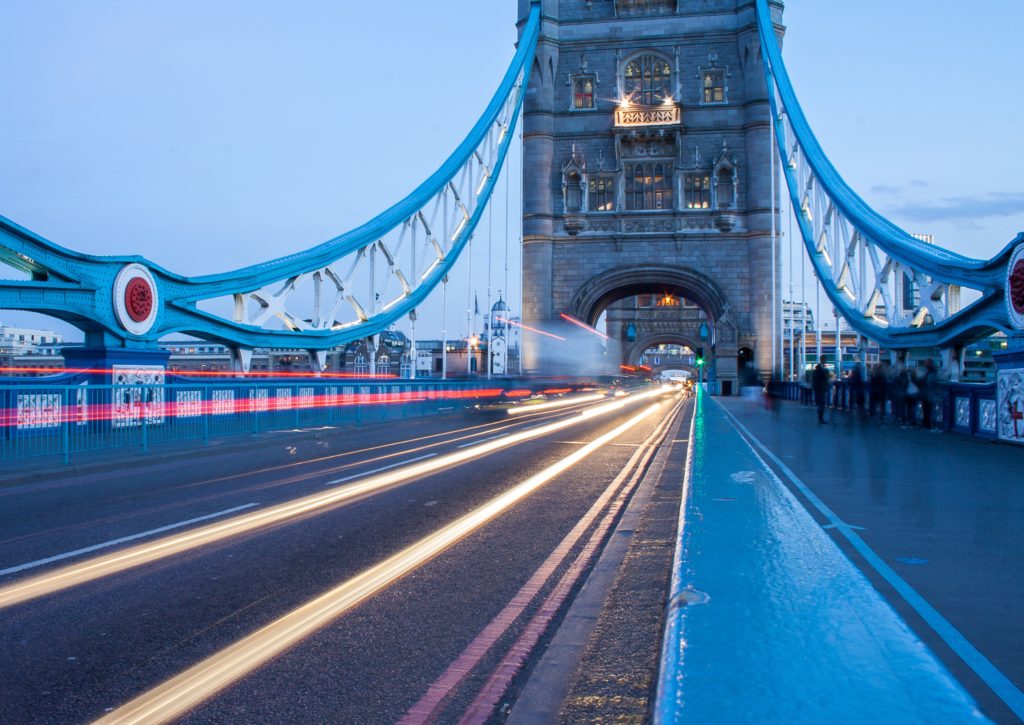
Slow shutter speeds can also be used to create light trails like this:
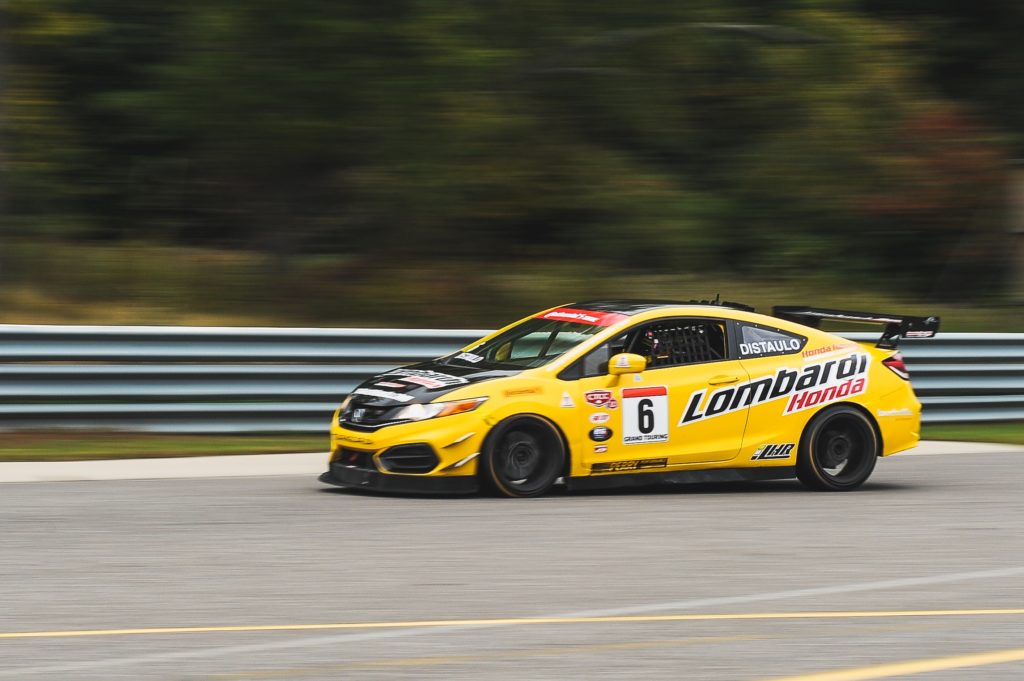
Additionally, as a sort of intentional camera shake, slow shutter speed in combination with panning will result in moving subjects being in focus but their background/environment being blurred. If you’re unfamiliar with panning, it’s the act of intentionally moving the camera while the shutter is open, usually from side to side, and usually tracking a subject.
A common way panning is used is to pan along with a moving car, which results in the body of the car being in focus but the wheels and background to be blurred. This technique is often the best option when it comes to events like car races, as using a really fast shutter speed can freeze the wheels and make the cars appear as if they’re parked—not the way to go if your goal is to convey movement.
The important thing is being aware of how adjusting shutter speed can not only get you to the right exposure but also what side effects your choice of shutter speed will result in. Getting familiar with how to freeze action and how to create motion blur in the right situations gives you more control over your results.
How is shutter speed measured?
Shutter speed is measured mostly in fractions of a second, and full seconds for the longer shutter speeds.
Just like how increasing or decreasing the size of a lens’s aperture by a stop doubles or halves the amount of light that enters the camera, the same thing goes for adjusting your shutter speed. If you increase your shutter speed by a stop, you halve the amount of light that enters the camera. If you decrease your shutter speed by a stop, the shutter stays open for double the amount of time, letting double the amount of light in.
Typical Shutter Speed Range
1s, 1/2s, 1/4s, 1/8s, 1/15s, 1/30s, 1/60s, 1/125s, 1/250s, 1/500s, 1/1000s, 1/2000s, 1/4000s
Some higher end cameras go up to 1/8000s and on the other end, plenty of other cameras go down to 30s. And if you need longer than 30 seconds, on pretty much all cameras, there’s a ‘bulb’ option in which you can hold down the shutter button and release it when the proper exposure calls for it.
How do you change shutter speed?
On the majority of cameras, you can adjust the shutter speed with a dial on the back right side of the camera. Move it to the left the slow the shutter speed down. Move it to the right to speed it up.
Conclusion
This isn’t that same way to change shutter speed on ever camera out there, but on many cameras this is a pretty standard way to do it. If you’re having trouble figuring out how to do it I recommend reading your manual and if you can’t find it there, don’t hesitate to ask in the comments below.
If you’re unsure of any of the terms used in this article, be sure to check out our photography glossary.