|

The Blurred Background Effect in Photography

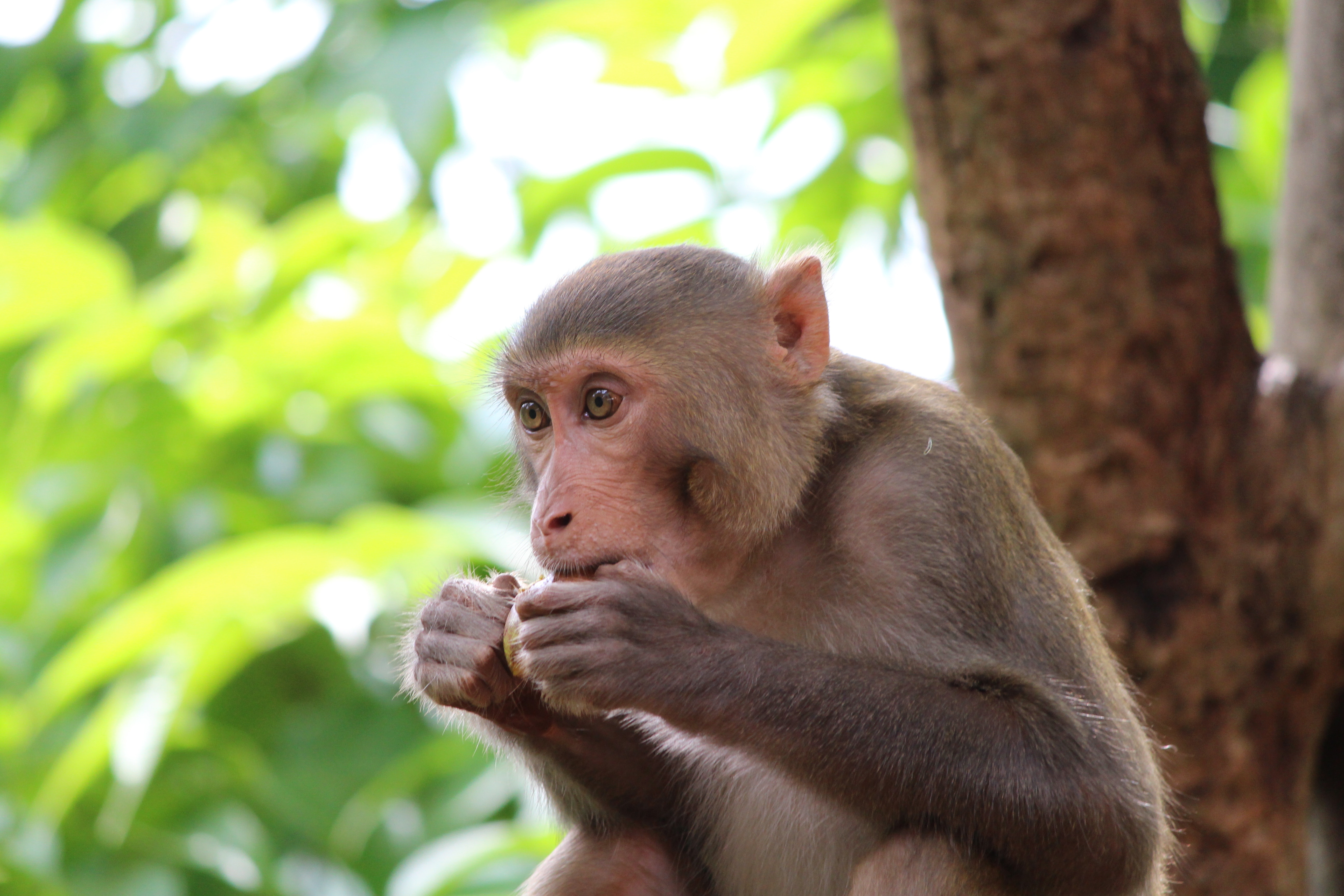
A monkey eating fruit.

If you’ve paid close attention to pictures before, you’ve probably noticed that some have a lot in focus whereas others it’s the opposite, resulting in a blurred background effect. This blurred background effect, also known as “bokeh” among photographers, named after the Japanese word for “blur” can be done in a very tasteful way that enhances images by drawing the viewer in.

Usually this works because the photographer chooses to focus on a subject within the frame, and the blurred areas of the image remove distracting elements of the frame.

But how and when should we use a blurred background effect in our photography? That’s what this article will address.

How do you get a blurred background effect?

In photography, there are basically two ways to achieve the look you get with a blurred background effect.

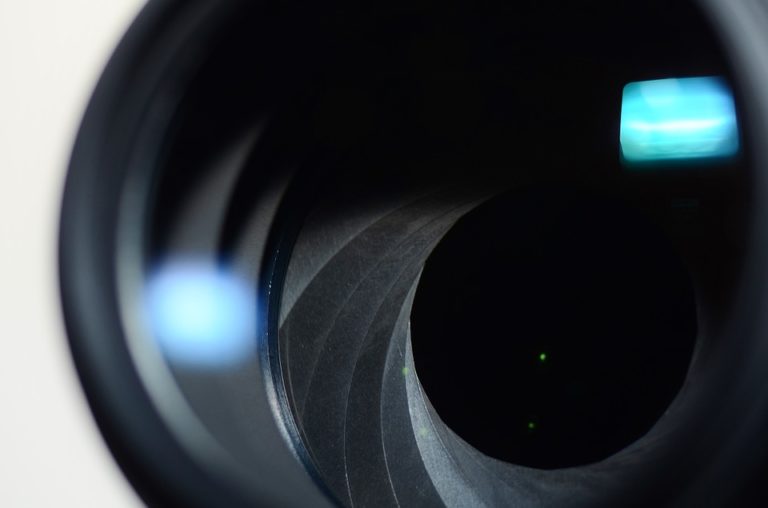
The first is to use a wide aperture. On most cameras, you adjust the aperture on a wheel on the front right-hand side of the camera.
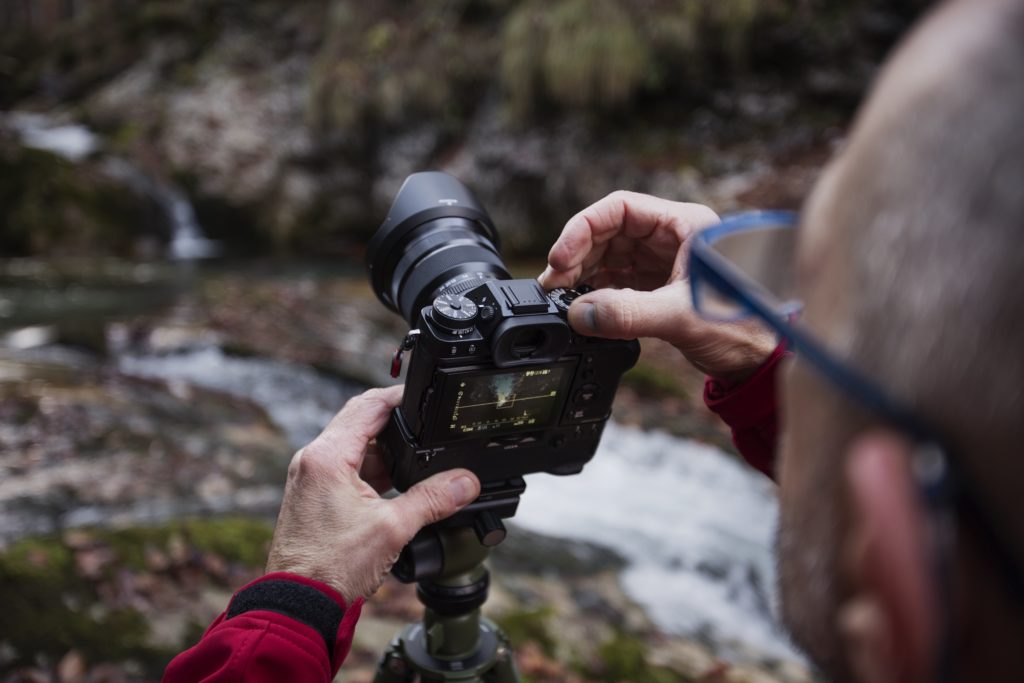
image of a photographer with glasses adjusting the aperture on his camera to make it wider for a blurred background effect

To choose a wider aperture, you adjust the wheel until you get to the smallest or one of the smaller numbers. This indicates the size of the aperture your camera is set to. The smaller the number the wider the aperture and vice versa.

The second way to get more of a blurred background effect is to move closer to your subject. The closer you are to what you focus the camera on, the more of the background will be blurred out.
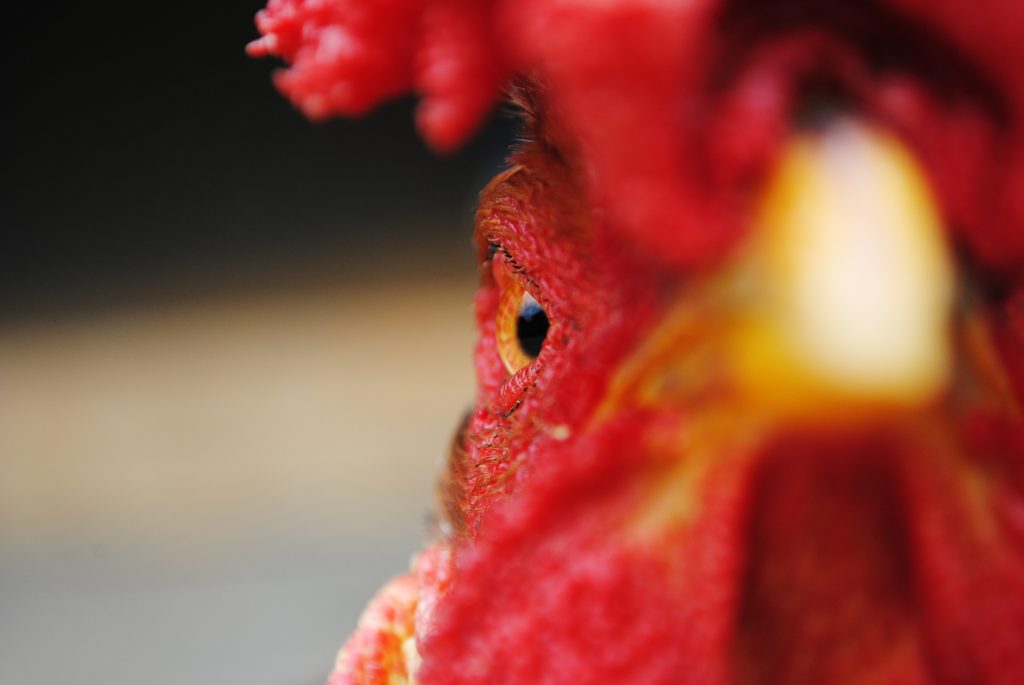
image of a rooster close up showing how to get a blurred background effect

When to use a blurred background effect

A blurred background effect works great for certain types of photography but not in every situation.

The most common and obvious type of photography that works well with a blurred background effect is for portraits. With portraits, usually the emphasis is placed on the subject so you want the subject in focus and then you want the background out of focus so that it doesn’t distract from the subject.
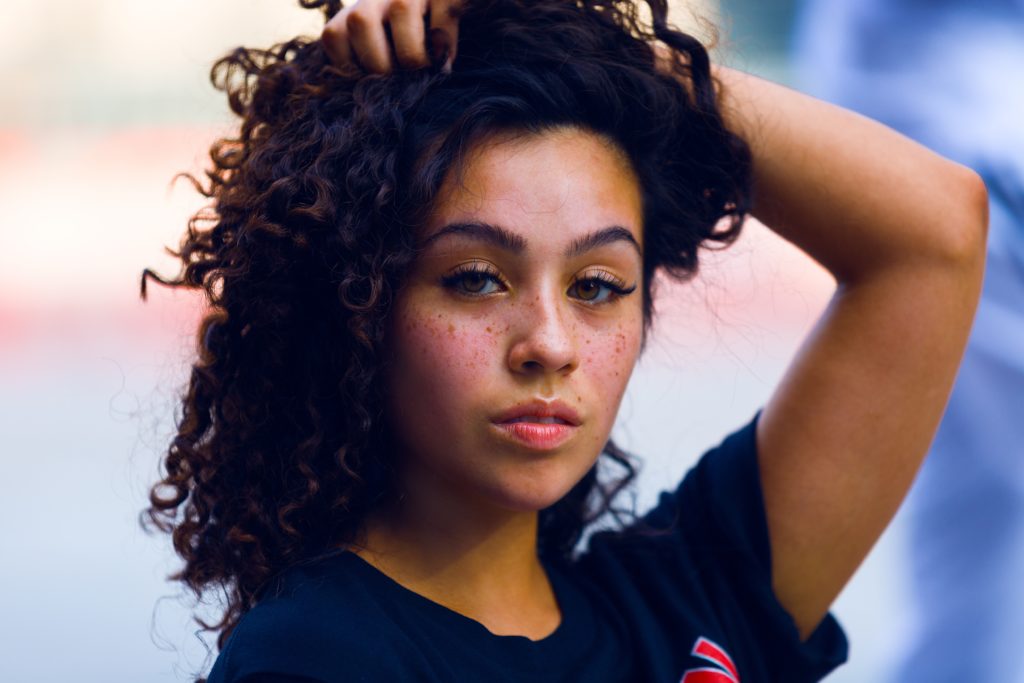
image of a woman with tan skin and curly hair with a blurred background effect

Sports photographers commonly blur out the background so that crowds and other things don’t detract from the athletes.
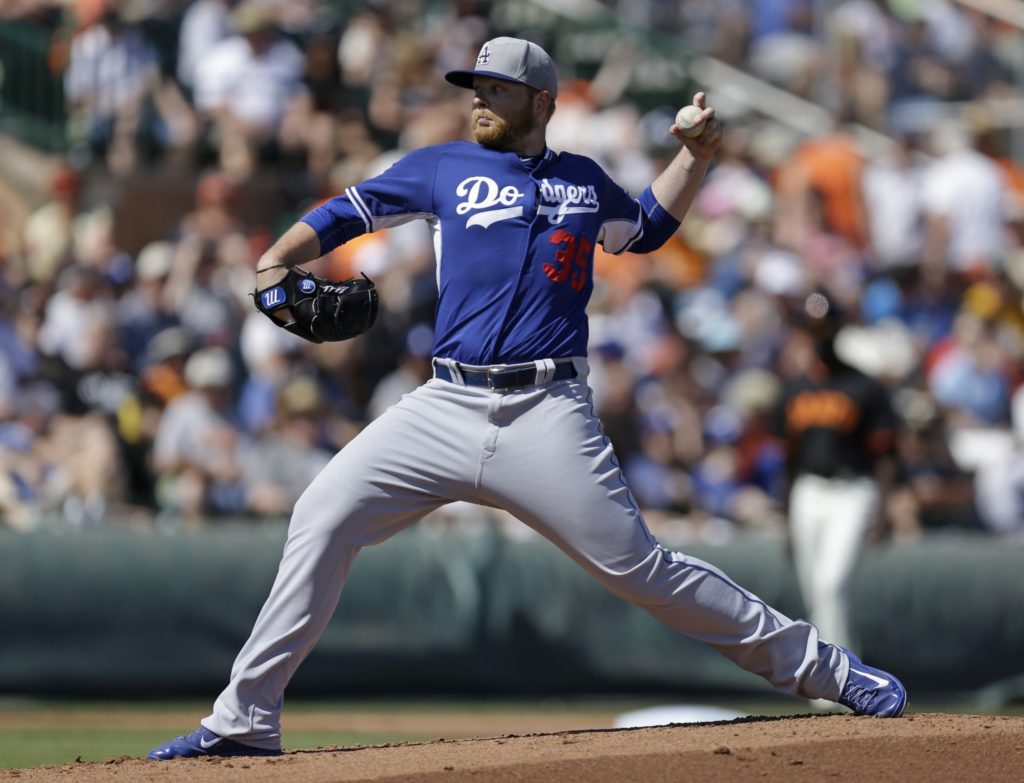
image of a pitcher from the dodgers with a blurred background effect

I would not recommend using a blurred background effect for photography such as landscapes or street photography, as these tend to work better with the details in focus.

With that said, as with everything in photography, there are always exceptions to the rule.

Conclusion

Blurring out the background in photography is an essential tool in your kit of photography tricks. However, a lot of photographers go overboard with it and start shooting all their photos at a wide aperture to get a shallow depth of field.

Getting a blurred background effect is great for certain purposes, but it’s important to plan out and think about your shots so that you’re using the right techniques in the right situations.
Similar Posts

  • |

    How to Make Images Sharper

    If you’re new to photography, making images sharper may seem like a daunting task. However, it’s actually really easy and once you learn how to consistently make images sharper, your photography can improve dramatically. There are generally two ways of making images sharper, and that’s what we’ll discuss in this article. How to Make Images…

  • |

    Photojournalistic Wedding Photography – Is it The Right Style for Your Business?

    Photojournalism at its core is quite simply journalism, the act of gathering and presenting information, through the use of photography, as opposed to other mediums. The job of a photojournalist is to capture moments as they happen with minimal interference. The mere presence of a photographer is usually going to shape the course of events…

  • |

    Beginner Photography: How to Take Pictures Like a Pro

    When it comes to starting out at the beginner photography level, the amount of information you need to learn can be overwhelming at first. It can seem that there is so much to take in that you don’t know where to start in regards to how to take pictures properly. And there really are quite…

  • |

    40mm Street Photography: There’s a Lot to Like

    When I first swapped my usual 35mm lens for a 40mm focal length lens, I was certainly intrigued. It’s compact and lightweight, making it great for the long walks I take doing street photography. The image quality is impressively sharp with minimal distortion. Despite being a bit tighter in small spaces compared to a 35mm,…

  • |

    Best Focal Length for Street Photography: 6 Focal Lengths for Every Situation

    While I wish there was a single best focal length for street photography that would fit every situation, it’s not exactly a possibility. There are wide-angle prime lenses that do the majority of what you need while being small and discreet. There are ‘normal’ focal length lenses like 50mm that can be great but are…

  • |

    How to Sell Landscape Photography Work: The Mindset and the Methods

    Would you rather hang out with Mother Nature than photograph people? If so, you’re certainly not alone. Compared to genres like weddings, events and portraiture, landscape photography offers a slower-paced, less stressful and arguably more rewarding experience. Unfortunately, it also means selling your work as art, rather than yourself as a service provider. The general…