What Are DSLR Cameras Good For?

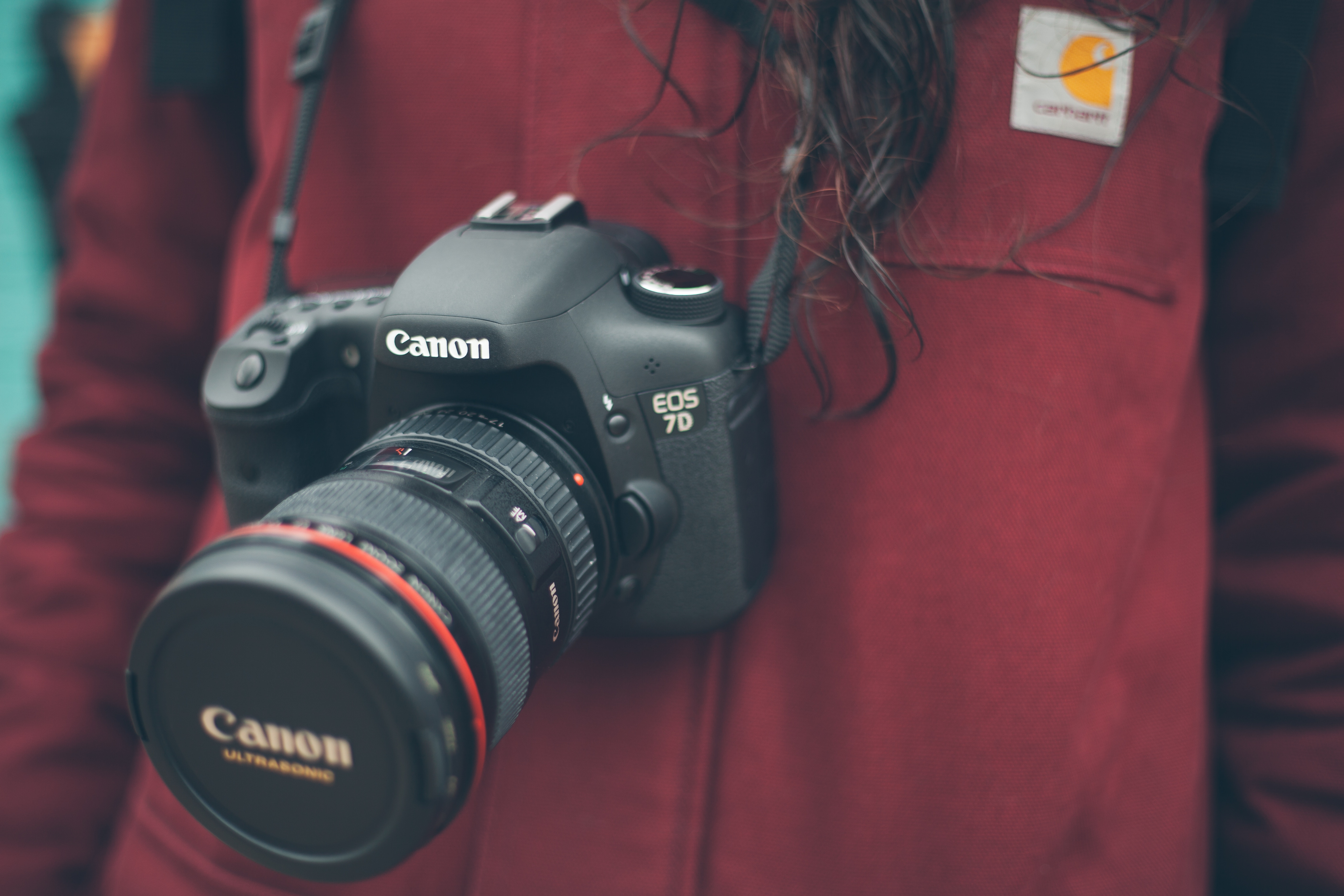
At one point, DSLR cameras had all the advantages in their favor. But as of this writing in November 2017, the advantages that DSLRs once had over mirrorless cameras has dwindled significantly.
But regardless of how mirrorless camera technology has improved in recent years, DSLR cameras still have a lot going for them in terms of performance, as long as you can deal with the size and weight.
So what are DSLR cameras good for?
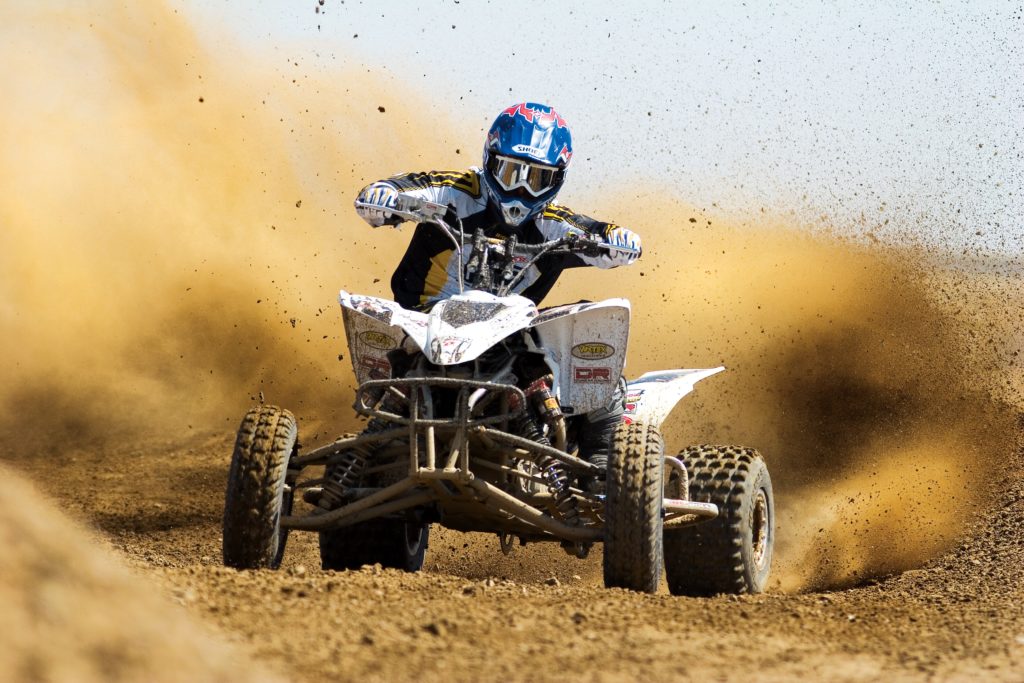
-1. Speed: One of the biggest attributes DSLR cameras have going for them is their speed. DSLRs have not only quick autofocus but they’re also fast in their operation. By that I mean the manual controls of DSLR camera bodies are easy and thus fast to operate.
DSLRs are also good for continuous shooting, as their fast autofocus comes paired with fast frames per second shutter speeds. However, that’s not unique to DSLRs anymore, as mirrorless cameras have caught up in this regard and have a higher ceiling for high FPS shooting because they don’t rely on mechanical shutter mechanisms like DSLRs do.
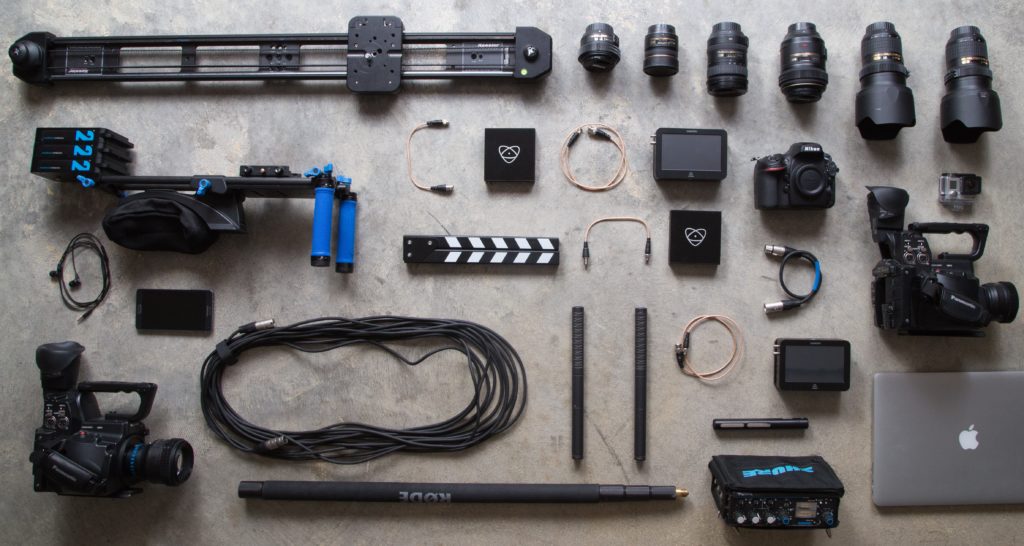
-2. Lens Selection: This might be the biggest argument for DSLRs over mirrorless cameras at this point in time. Mirrorless cameras have more potential than DSLRs and will surpass them eventually, but they’ve been on the market as serious cameras for significantly less time and as a result the lens selection for mirrorless cameras is narrower.
DSLR cameras have been on the market for some time now and so the manufacturers have had the opportunity to release an extensive lineup of lenses for DSLR bodies. If you want the versatility to be able to do various types of photography, you need options of lenses to select from, and DSLRs provide you with that.
-3. Image Quality: DSLR image quality is good partly because you have a lot of good lenses to choose from but also because they have large, high quality sensors. Part of that is because as DSLRs are already have to be on the large size in order to fit their mechanical shutters, it makes it convenient to fit larger, full frame sensors in them.
-4. Optical Viewfinders: This is a big plus that DSLR cameras have going for them. Because of the mirror and pentaprism mechanism within DSLR cameras, it allows you to essentially see what you’re really going to get once you click the shutter button. You see your depth of field how it will really turn out.
Unfortunately though, you don’t see your exposure in terms of how light or dark the picture will be. But that’s better than the optical viewfinders on mirrorless rangefinders, for example, where you don’t see either depth of field or exposure value. Mirrorless cameras do have electronic viewfinders that can work very well, but many have EVFs that lag.
Conclusion
DSLRs are good for many things in photography, but at the end of the day they’re just another photographic tool. Rather than asking “what are DSLR cameras good for?” a better use of our energy is to get creative with the gear that we currently have and get out there shooting and creating photographic art.