|

Depth of Field Camera Settings

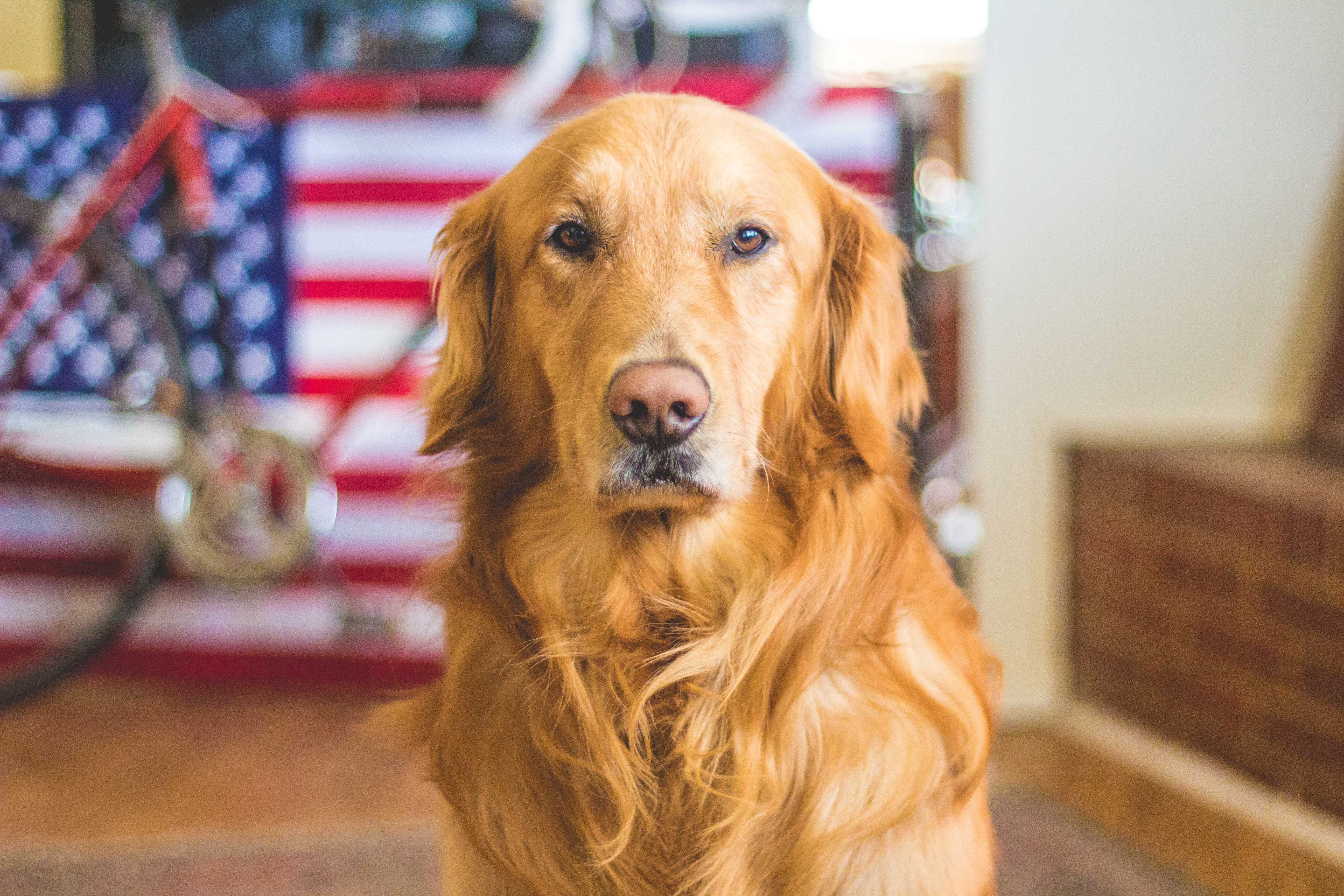
A dark golden retriever in front of an American flag.

Choosing a depth of field and a corresponding aperture may not be so apparent when first starting out in photography but ultimately it’s fairly straightforward. This article is broken up into two sections on how to choose depth of field camera settings.

For a Shallow Depth of Field:
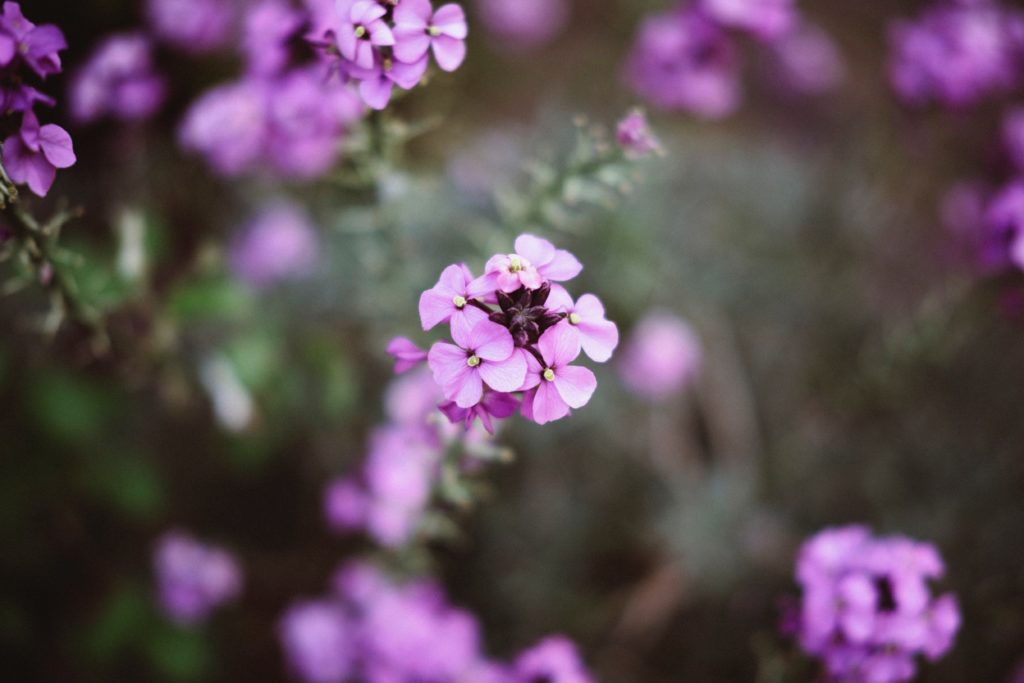
using shallow depth of field camera settings to get a shallow depth of field with a flower

If you want to shoot with a shallow depth of field (meaning you want less in focus), then shoot with a larger aperture. This may seem counter intuitive at first but it’s just something you have to get used to in photography.

The wider or larger your aperture is, the less there will be in focus. This is a good a option for doing portraits, as it takes the focus off backgrounds that can be distracting and places it on your subject.

Conversely, the smaller your aperture is, the more will be in focus. Having more in focus works in photography situations such as city scapes and landscapes, where your whole composition is essentially the subject.

Another way to affect depth of field is to adjust how close or how far away you are from your subject.

The closer you are to your subject, the less there will be in focus. And the further away you get, the more there will be in focus.

Additionally, the distance you are to your subject affects depth of field.

As you get closer to your subject, the less there will be in focus. As you get further away from your subject, there will be more in focus in your image.

For a Deep Depth of Field:
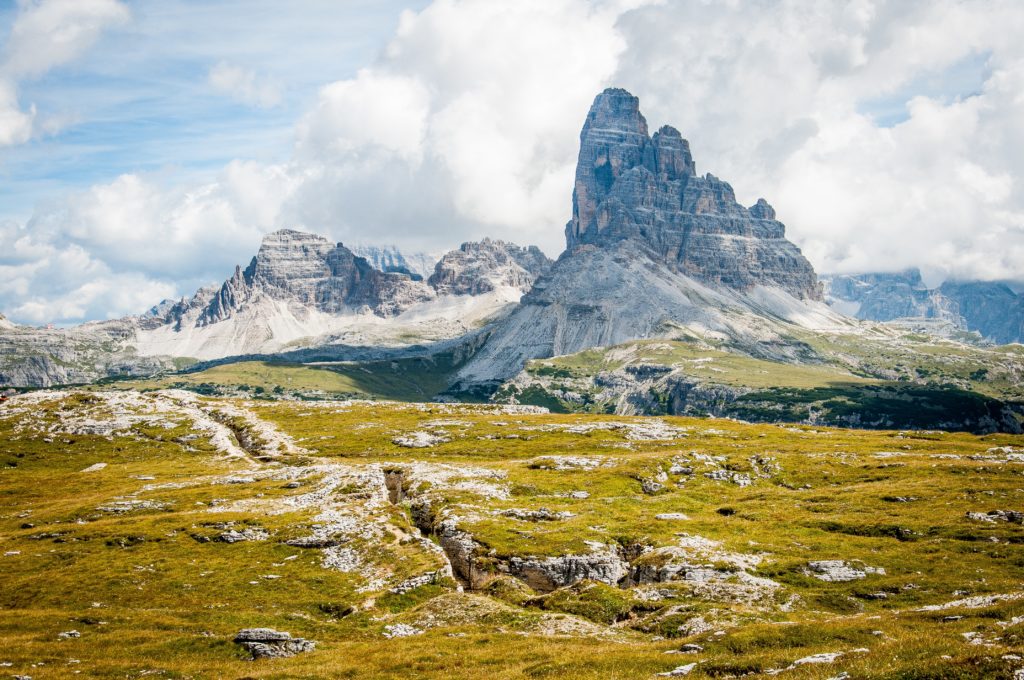
image of a landscape with green vegetation and mountains and a blue cloudy skyshowing deep depth of field camera settings

If you want a deep depth of field, or to have more in focus, there are a couple ways you can go about it.

The first is to use a smaller aperture. The smaller aperture you use, the more you will bring into focus within your pictures.

That does come with a caveat though: the smaller the aperture you choose, the more chances you will have of introducing diffraction to your image files, which decreases the quality of your images. Diffraction usually sets in after f/11+ but is dependent on the lens you use.

Also, the further away you are from your subject or point at which you focus, the more there will be in focus in the image.

Conclusion

Do you have any tips or advice on depth of field camera settings that weren’t mentioned in this article? Please add them in the comments below.

Similar Posts

  • |

    Underexposed Street Photography: Here’s How & Why I Do It

    If you’re a fan of street photography, you may have noticed that underexposed street photography can be really compelling. It’s a spin on reality that doesn’t look overdone or cliché, like with HDR or overly-Photoshopped photography. In other types of photography, it’s more common to raise exposure and shadows in post. But in street photography,…

  • |

    How To Get Your First Wedding Photography Clients When You’re Just Starting Out

    So you’re ready to shoot your first wedding! It’s time to start building your wedding portfolio – so you might have wondered how to get your first wedding photography clients. Here are some things you can do to help you get going in the industry. Friends, Family, Coworkers Are any of your close family members…

  • |

    A Guide to Understanding Aperture Priority Mode

    Getting your exposure right while also achieving the depth of field you’re looking for can be tricky at times, especially if you’ve got to get some exposures off quick or you’re in a hectic situation. Luckily we have several camera modes at our disposal to make our lives easier as photographers in these situations, and…

  • |

    Why Wedding Photographers Use Two Cameras

    If you’ve been to a wedding as a guest, you might have noticed the wedding photographer using two cameras. So why do wedding photographers use two cameras? I’m sure there are plenty of photographers out there who have other reasons for shooting with two cameras, but my two main ones are: -1. Focal length versatilityAnd-2….

  • |

    ISO in Photography [A Complete Guide]

    In photography, ISO is a measurement of how sensitive a given film or camera sensor is to light. ISO is named after the International Standards Organization, an organization that determines and sets the standards for measurement for this sensitivity. Originally, before digital photography came along, ISO just referred to how sensitive a film was to…