The Purpose of Camera Lens Hoods & Why You Should Use Yours

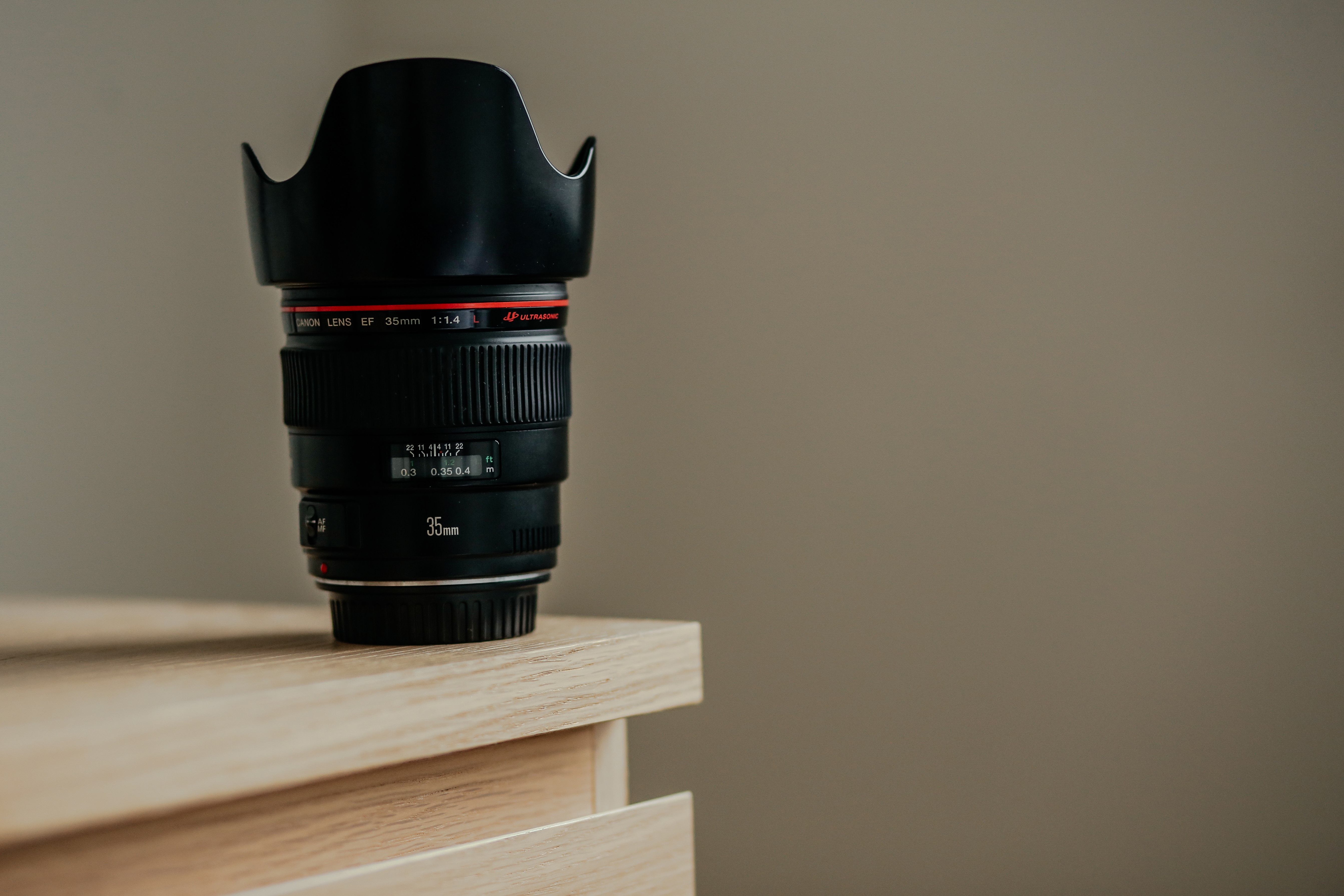
If you just bought your first camera kit, you may be wondering what the plastic thing is that came with your lens. Maybe you’ve been doing photography for a while and even have been using your lens hood but haven’t questioned why.
The downside to lens hoods is that it’s another piece of gear that you have to keep track of and they can make your lenses bigger. However, there’s a good purpose of camera lens hoods that’ll improve your photography.
So what exactly is the purpose of a camera lens hood?
Lens hoods are plastic or metal shades that clip onto a lens in order to block out certain unwanted light rays from entering the front of the lens.
By keeping out that unwanted light, lens hoods eliminate or reduce ghosting and flare that can be recorded onto your images. They also increase contrast in images.
Additionally, while not the direct purpose of lens hoods, they also can protect lenses from damage. Many photographers (I would say mistakenly) use filters solely to protect the front element of their lenses.
But you don’t need to put a filter that reduces your image quality on your lenses when you’ve got a lens hood that protects things just as well and actually IMPROVES image quality. There are certainly uses for filters but not for lens protection and that’s an entirely different discussion in and of itself.
Lens hoods aren’t just effective for combating flare outdoors; they keep unwanted light from various sources out of the lens even when shooting indoors.
Should you use a lens hood on your lenses?
In my opinion, there’s no doubt about it — you should absolutely use your lens hoods the majority of the time. They both add protection to your lenses and increase image quality by keeping flare to a minimum and maintaining contrast.
Exceptions to the Rule
There are times when not using a lens hood is the ideal choice. You may want to shoot with the lens hood off when you want lens flare for artistic purposes.
I know some photographers absolutely love the look of flare and incorporate it into their photography whenever possible. But keep in mind that unfortunately, when you go for that lens flare look it’s difficult to do it without reducing contrast, which can make things look washed out.
Lens hoods can also become an issue if you’re trying to be discrete, such as when you’re photographing people candidly. In that case, you might want to take it off.
Do lenses come with hoods or do you need to buy them separately?
This depends on the manufacturer and lens model. Some manufacturers include lens hoods for all or most of their lenses, while other manufacturers don’t include lens hoods with certain lenses for whatever reason.
If you buy a lens and it didn’t come with a lens hood, it’s a good idea to get one, even if you don’t plan on using it 100% of the time.
What type of lens hood should you get?
Lens manufacturers optimize their lens hoods to specifically keep unwanted light out of the lens the hood is designed for. So if you want the best shading possible, you’re most likely to get that from the lens manufacturer who designed the lens.
Lens hoods can also be bought from third-party manufacturers. Usually they’ll work just fine but keep in mind that it might not be as well optimized for the lens as a lens hood from the lens manufacturer.
Why are some lens hoods shaped differently?
Lens hoods are optimized for each individual lens and are shaped so as to get a compromise between providing shade for the lens but also not getting any part of the lens hood within the frame.
Prime lenses come with circular lens hoods that appear to simply extend the barrel of the lens.
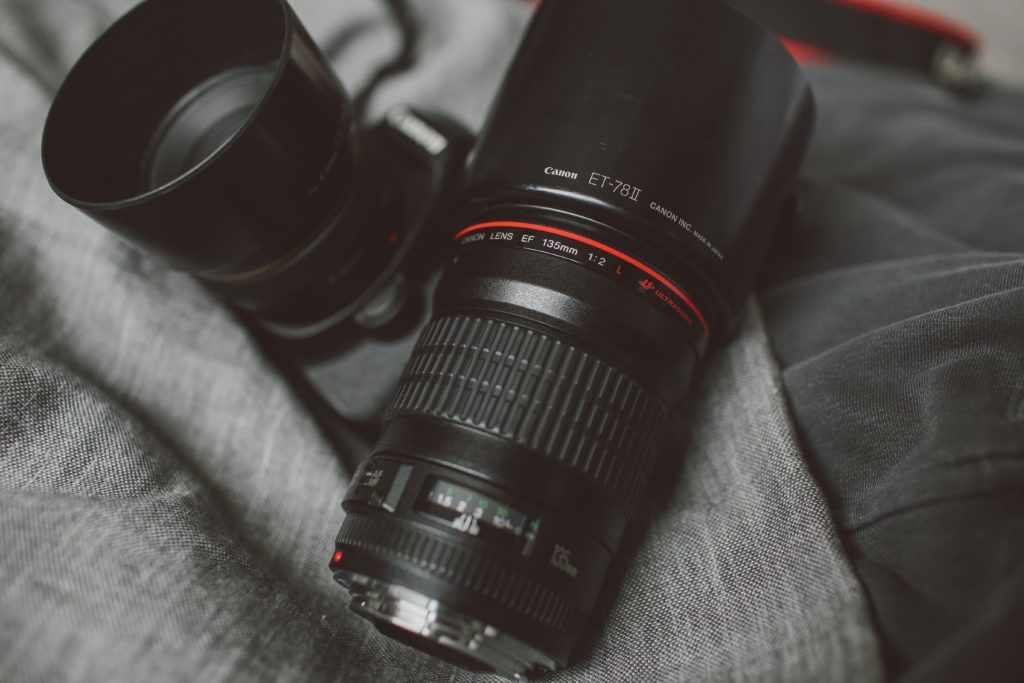
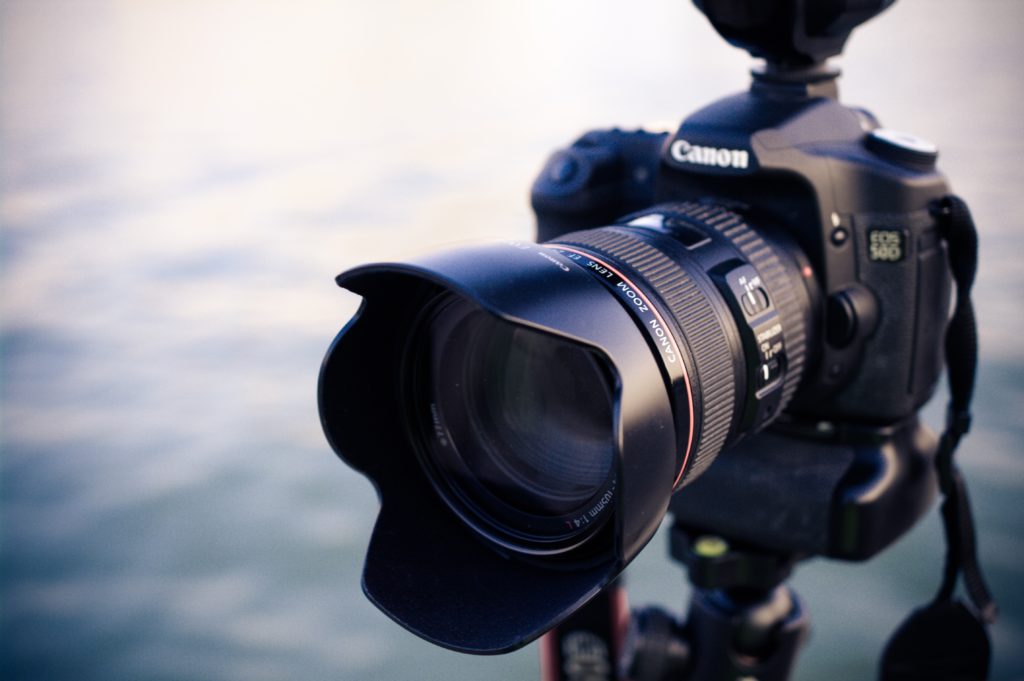
For zoom lenses on the other hand, they come with lens hoods that almost appear as if they’ve had cut-outs taken out of them. These are called petal lens hoods and are just optimized for whatever specific zoom lens they’re meant to go on.
What if you forget your lens hood?
If you accidentally left your lens hood at home or you just don’t have a lens hood for whatever reason, it’s not the end of the world.
If you’re without a lens hood, you can place your free hand, a hat, or some other object on the side of the lens where the light source is coming from to produce a similar shading effect that a lens hood provides.
Want to learn more and have some of these concepts on the purpose of camera lens hoods reiterated through video? Check out this helpful video by Phil Steele here: