What is a Candid Picture?

If you’re new to photography, you may be asking yourself, “what is a candid picture?”
Many of us have known inherently what a candid picture is for most of our lives because we’ve heard the expression before but that’s not the case for everyone.
So What is a Candid Picture?
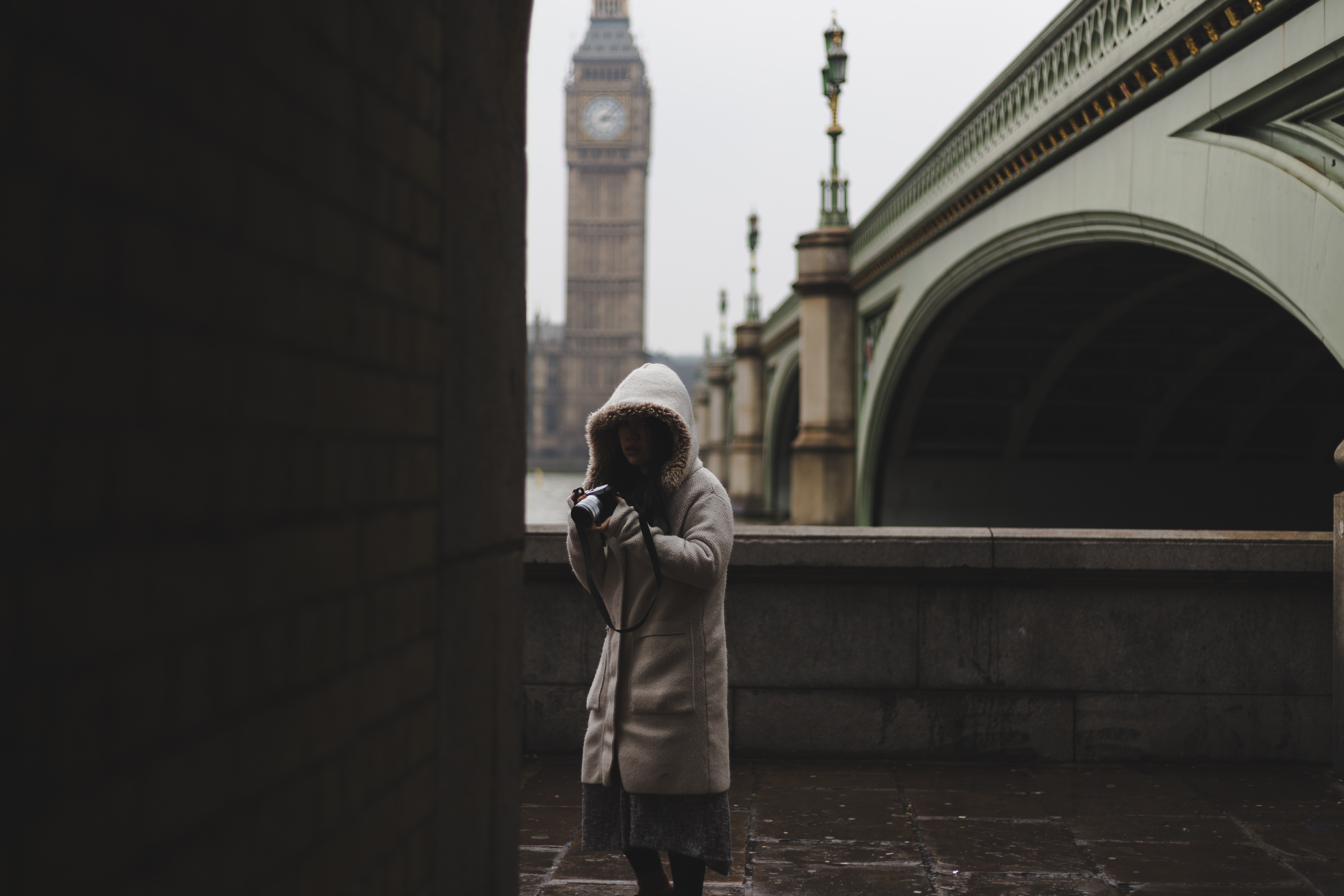
A candid picture is a picture in which the subject what unaware that they were being photographed. The subject, or subjects, did not know that their photo was being taken. I would also consider a candid photo to be when you haven’t explicitly asked permission to take person’s photo or they are unsure that you’re taking a photo.
What Types of Pictures Work Well Candidly?
This is completely subjective, but in my opinion, the times that work the best when shot candidly are for events and street photography.
Events is a broad term, so to clarify, what I mean by that is weddings, family get-togethers, corporate parties, etc. Candid photography works well in these situations because it shows the story and emotion of the event.
In order to show the event as a whole, you don’t need to shoot everything candidly, but it’s a good idea to at least shoot a portion candidly so that you show the story of the event without staging everything. That’s not to say that posed pictures are bad; they make up a good part of an album. They just shouldn’t be the whole album.
When Not to Shoot Candidly
If you’re shooting at an event and someone there asks you to take a picture of them and their group of friends or family, just take the picture. There’s no reason to fight the person, who’s usually just trying to have a good time.
As a wedding and event photographer, I think that the most tasteful photographs that I produce are usually the candid photographs that I take of the bride and groom interacting with their family members and guests of their wedding. But a lot of times what they end up choosing to include in their wedding photography albums is pictures of them and their family posing together.
And there’s nothing wrong with that. It’s about your clients and their feelings, not you.
Conclusion
Do you have any questions about candid photography or lessons about candid photography that I didn’t include here in the article? Drop us a line in the comment section below.