Underexposed Street Photography: Here’s How & Why I Do It

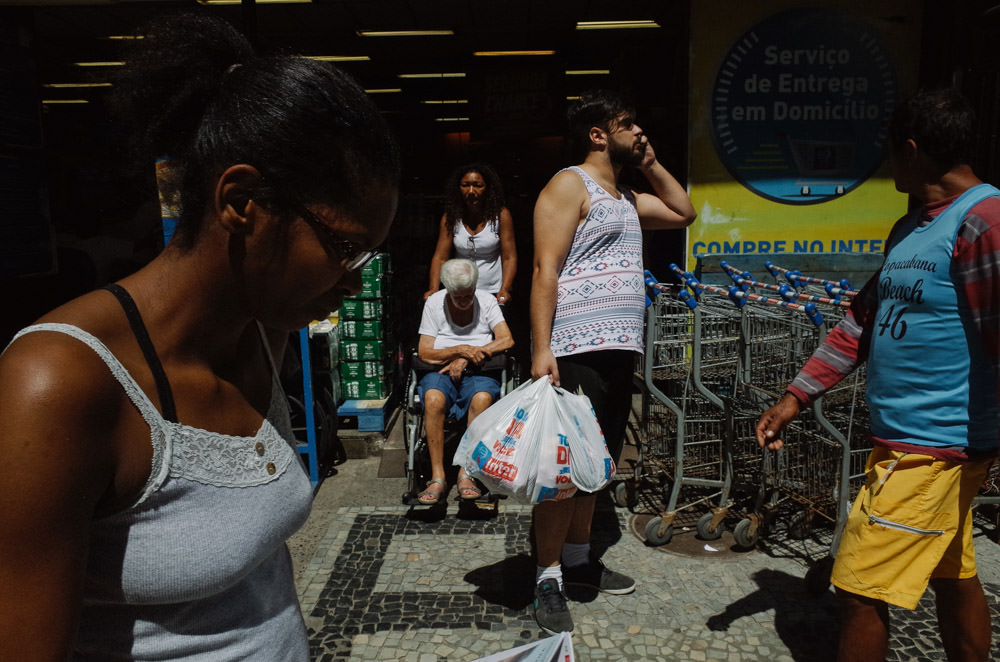
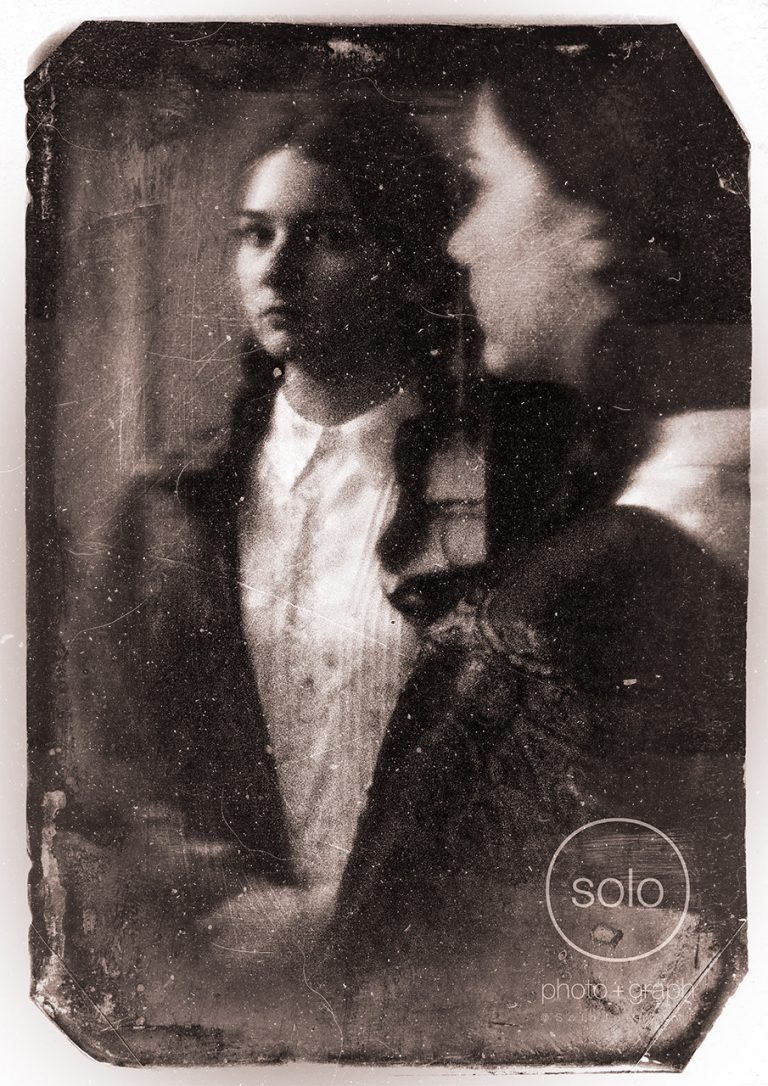
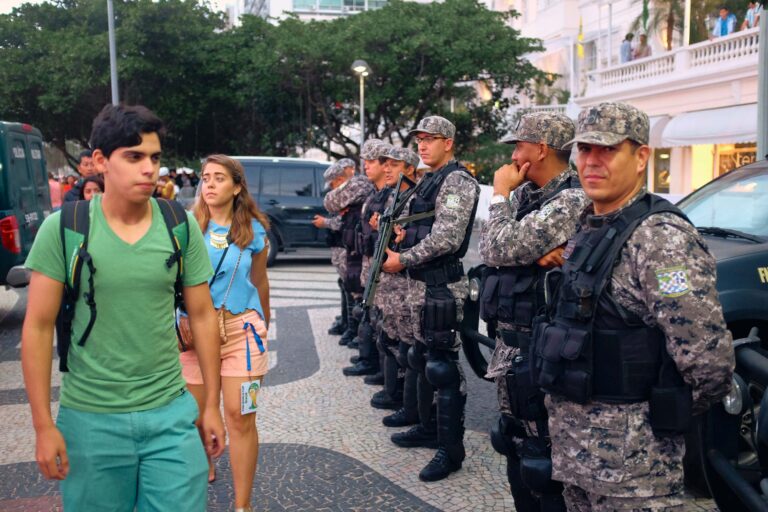
If you’re a fan of street photography, you may have noticed that underexposed street photography can be really compelling. It’s a spin on reality that doesn’t look overdone or cliché, like with HDR or overly-Photoshopped photography.
In other types of photography, it’s more common to raise exposure and shadows in post. But in street photography, embracing dark shadows is more common.
Let’s look at why you may want to shoot underexposed street photography in this article.
Why I Underexpose for Street Photography
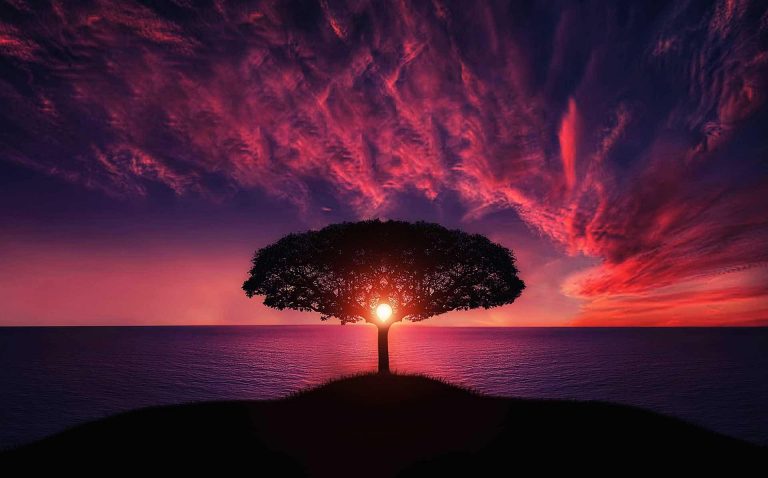
I like to underexpose my photos for street photography a large amount of the time because it creates the dark, dramatic shadows I’m looking for. Dramatic shadows can only be created when part of the subject or part of the subject or part of the frame is in direct light.
You can’t find this contrast in scenes totally cast in shadow.
Benefits of Underexposing for Street Photography
- Dramatic lighting
- Lots of contrast
- You have leeway to bring up shadows (moreso than recovering highlights if you overexpose)
- You save your highlights
How Much to Underexpose for Street Photography
In situations where there’s any sort of direct sunlight in the frame, I often shoot at a full stop underexposed. This is never a one-size-fits-all solution, but I think it’s a good starting place.
If anything, this will get you a look where there are dark, contrasty shadows.
If you’ve noticed something specific about your street photography camera and how it meters things, then you should make your own judgment about your exposures.
But yeah, my go-to in many situations is to expose at -1.
When to Avoid Underexposed Street Photography
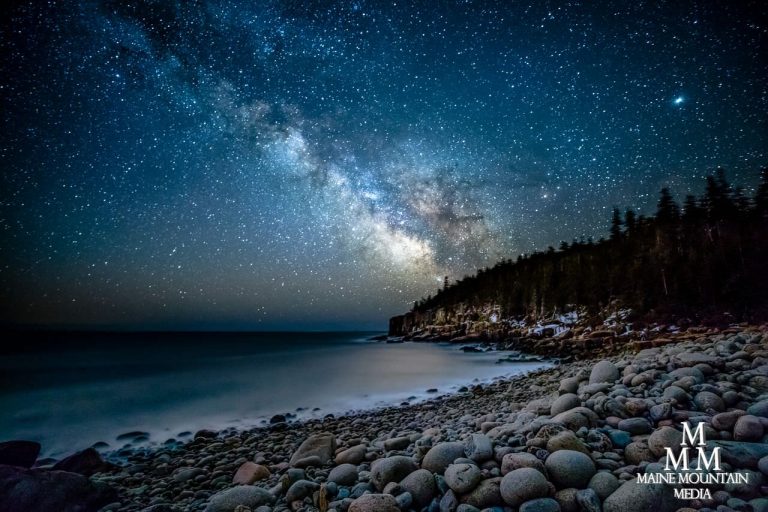
If you’re in darker conditions with no sunlight, I don’t shoot my regular 1 stop underexposed. When I’m shooting a scene in total shadow or something darker, I shoot at 0.
Suppose you shoot underexposed in instances where things are darker than usual. In that case, you just diminish your image quality, especially if you need to bring up your exposure in post. Some obvious instances I can think of are on overcast days and when you’re shooting in scenes that are totally cast in shadow. In these cases, I think it’s best to just shoot at what your light meter tells you, or possibly even higher if your camera doesn’t do the best job of metering.
Suppose you underexpose in dark situations that don’t have anything bright in them. In that case, you are likely just going to have to increase your exposure anyway, which will harm image quality. So I think you should just underexpose during the day when it’s likely that you’re going to have a lot of bright light, which will contrast with dark shadows.
Last Thoughts
Underexposed street photography is an iconic look. Many street photographers have used it habitually and created amazing bodies of work. Alex Webb and David Alan Harvey come to mind, among my favorite street photographers.
Underexposed street photography gives you a small way to alter reality to make photos more interesting without doing something super obvious and gaudy like HDR photography.
The thing I like most about street photography underexposed is the dynamic range in color from light to dark. You get a lot of contrast between light and dark colors when you underexpose in daylight conditions. You get a range of very bright to dark black, whereas, if you shoot at higher exposures, you’re likely to end up with a flatter exposure with shadows brought up too high for an unnatural look.
You can learn more about my approach to street photography in my street photography tips article.