What Does ‘Shallow Depth of Field’ Mean?


If you’re getting started in photography you might have heard the terms ‘depth of field’ or ‘shallow depth of field’ thrown around.
So what does shallow depth of field mean?
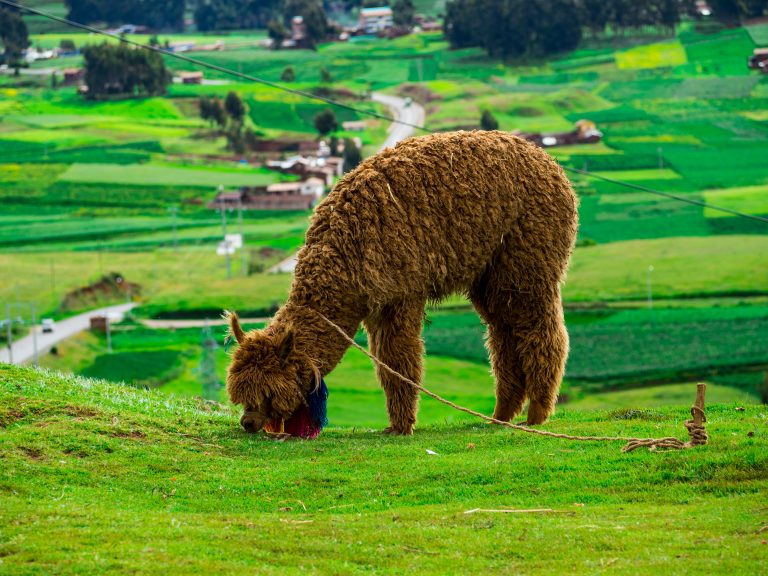
Shallow depth of field refers to images that have a small amount of area that’s in focus. In other words, whatever is in front of and behind the focus point quickly falls off into being out of focus.
Why would you want to have a shallow depth of field?
Having a shallow depth of field can help you to draw attention to a subject or whatever you want to have in focus. By having just your subject in focus and everything else out of focus, it draws the viewer’s eyes to that subject.
It also cuts down on the distracting elements of an image. If your subject is in front of a “busy” background, you can mitigate that busy-ness by shooting with a shallow depth of field and throwing the background out of focus.
When should you photograph with a shallow depth of field?
This is entirely subjective.
But some common uses of shallow depth of field are in portraits and sports photography.
With portraiture, shallow depth of field works well because it brings the focus on to the subject. It works for sports because there are often a lot of distractions in the background that don’t add value to images like the fans or things like advertisements/stadium signage.
How do you get a shallow depth of field?
Shallow depth of field is achieved by adjusting two things within your control:
-1. Choose a Wide Aperture
The wider the aperture you choose, the shallower your depth of field becomes. Aperture size is measured in “f-stops”; the smaller the f-stop number, the wider the aperture.
Aperture sizes vary from lens to lens, but your largest f-stop, or maximum aperture could be f/1.8. Your largest could be f/22. It usually displays this on the barrel of your lens.
If you don’t know much about the exposure triangle yet, the easiest way to do this is to put your camera into aperture priority mode and choose one of your lens’s widest apertures. From there you can easily shoot, as your camera will choose a shutter speed and ISO for you. The issue with relying on modes like aperture priority though, is that to compensate for lack of light, the camera may choose a shutter speed that’s too slow resulting in motion blur or an ISO that’s too high and gives you too much grain.
That’s one reason why it’s good to know how to shoot in manual. If you want a shallow depth of field while shooting in manual, you just need to choose a wide aperture and then adjust your shutter speed and ISO until your meter gives you a reading that indicates you’ve got a proper exposure.
-2. Get Closer
The closer you get to whatever you focus on, the shallower your depth of field gets. If you’re doing this for portraits, however, you need to be aware of how that’s going to affect things. It’s fine if you’re shooting with a longer lens, but if you get up close with say a 35mm lens or wider, it can lead to distortion that makes subjects look heavier than they really are.
Conclusion
Do you have any unique ideas of how you’re planning to implement a shallow depth of field in your photography? Let us know in the comments below.