40mm Vs. 50mm Street Photography: Is There A Winner?


If you’re a street photographer, you know the importance of choosing the right lens for capturing the perfect shot. But when it comes to 40mm vs. 50mm lenses, how do you decide which one is right for you?
While the two focal lengths are certainly similar for street photography, there are subtle differences that can impact your photography style.
I share my thoughts here on these lenses and explore the pros and cons of both. Ultimately, I think it’s best to try them both out before committing to one over the other.
The 40mm Focal Length
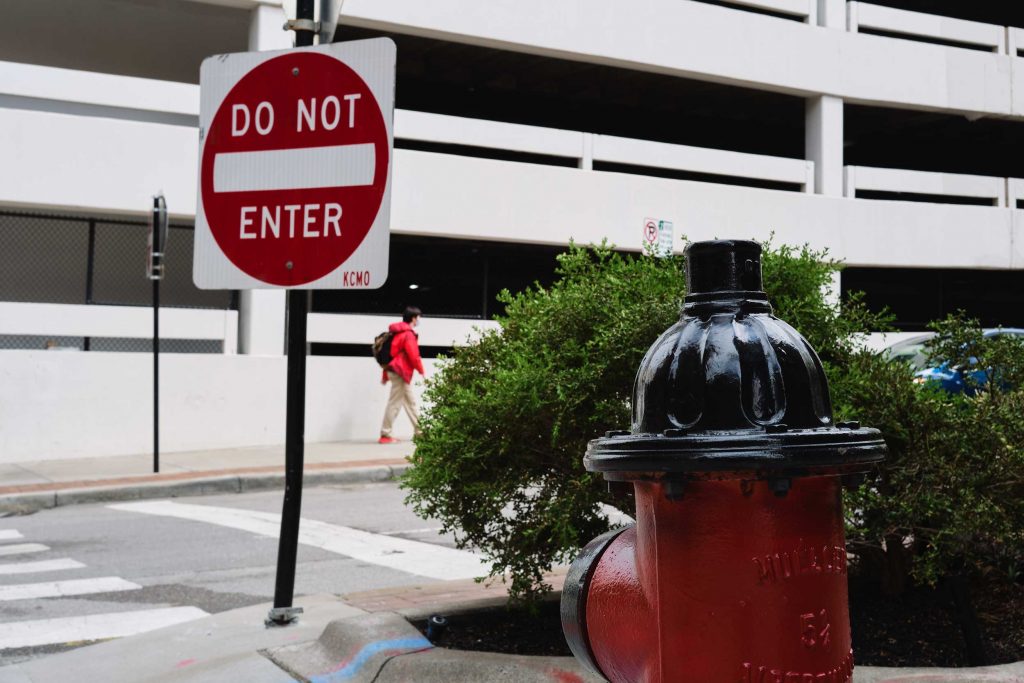
Using a 40mm lens for street photography is a great option. This focal length is close to the human eye’s perspective, which makes it feel natural for me. Likewise, the photos produced end up looking natural, as if the viewer is right there in the scene. It’s like capturing real life, not just an image.
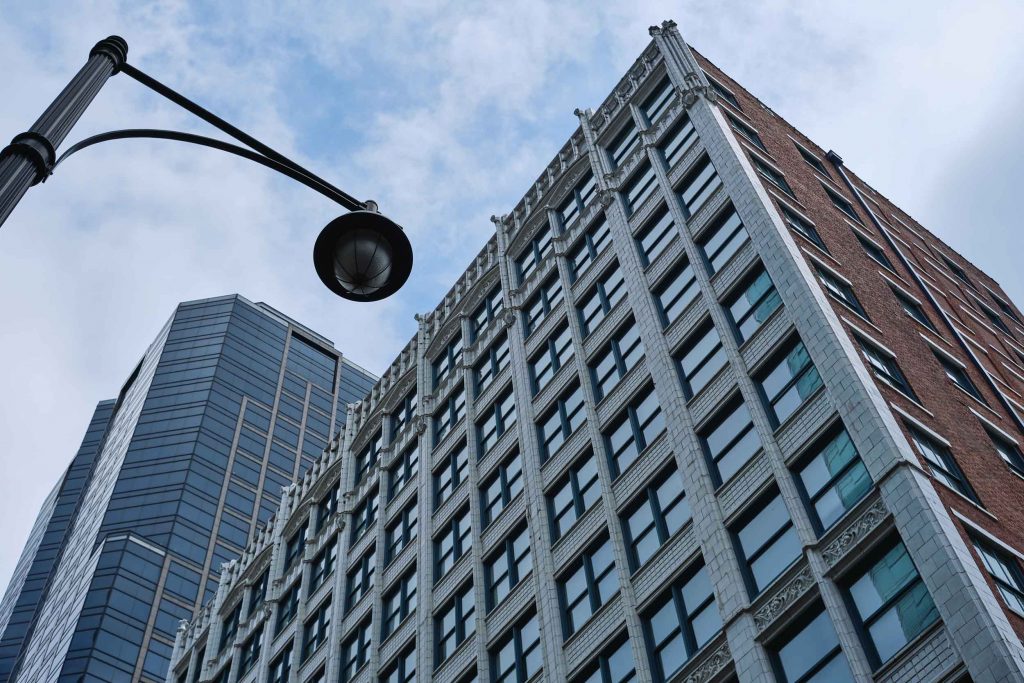
40mm lenses are known for their sharpness and low distortion. In street photography, capturing crisp details and keeping lines straight is nice.
Another big point: they’re lightweight and compact. Walking around with one of these won’t feel like a workout. It also means being less conspicuous – a bonus when you’re trying to avoid drawing attention to yourself.
Lastly, the 40mm focal length is good for the hunting street photography technique.

50mm Lenses
One of the biggest strengths of the 50mm lens is its slightly longer focal length. This means you can capture candid street moments without having to invade someone’s personal space. It’s great for keeping a comfortable distance, allowing for a bit more subtlety and discretion in your approach.
Image quality is another area where the 50mm lens shines. These lenses are known for their sharpness and clarity, delivering images that are crisp and detailed. Plus, they typically have minimal to no distortion, making them reliable for capturing scenes as they are, without any unnatural bending or skewing of lines.
Just like 40mm lenses, 50mm lenses are generally compact and light, making them easy to carry around for long periods. They won’t weigh you down, which is always a bonus for long walks. Plus, they’re often more affordable than other lenses, offering great value for their performance.
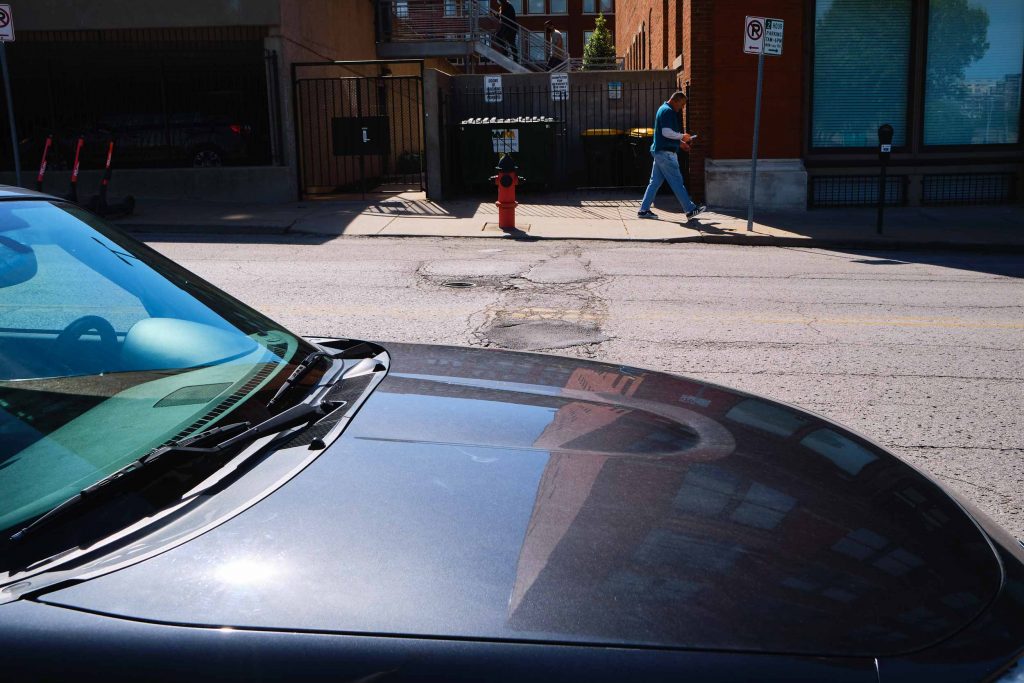
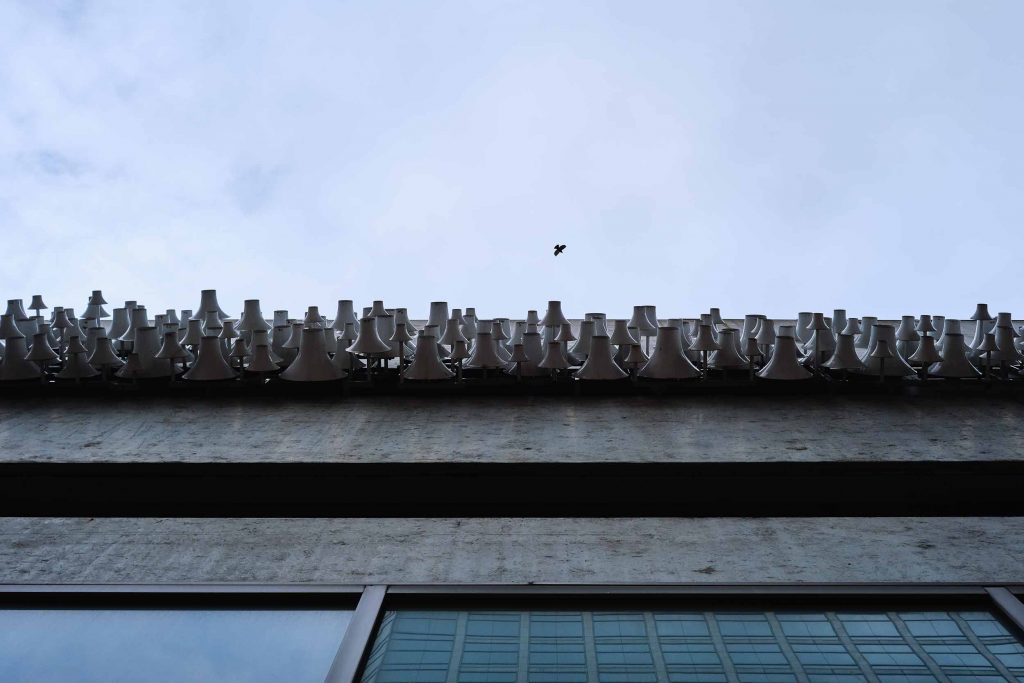
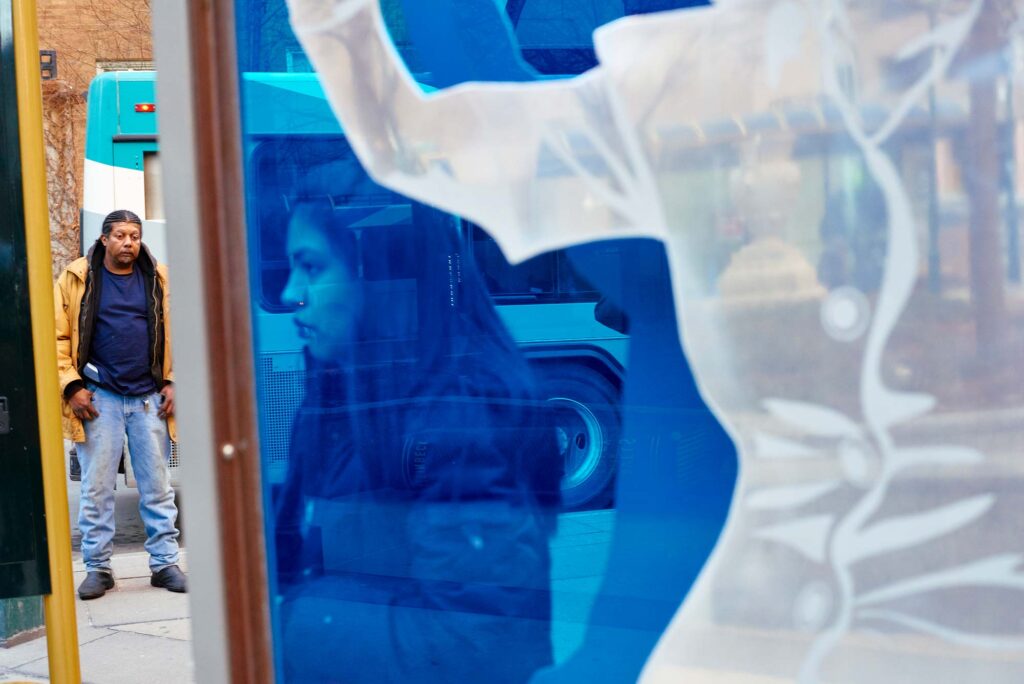
They also lend themselves well to more abstract compositions. With a 50mm lens, you can play around with framing and pretty easily eliminate any distracting elements in your photos.
However, the 50mm isn’t without its drawbacks. In confined spaces, this lens can feel a bit too tight. If you’re in a narrow alley or a small sidewalk, you might struggle to capture the full scene. This limitation makes the lens less versatile in varied urban environments.
The 50mm lens is a strong contender for street photography, offering a balance of distance, image quality, and affordability, with a knack for abstract compositions. Just be mindful of its limitations in tight spaces.
My Preference Between 40mm & 50mm for Street Photography
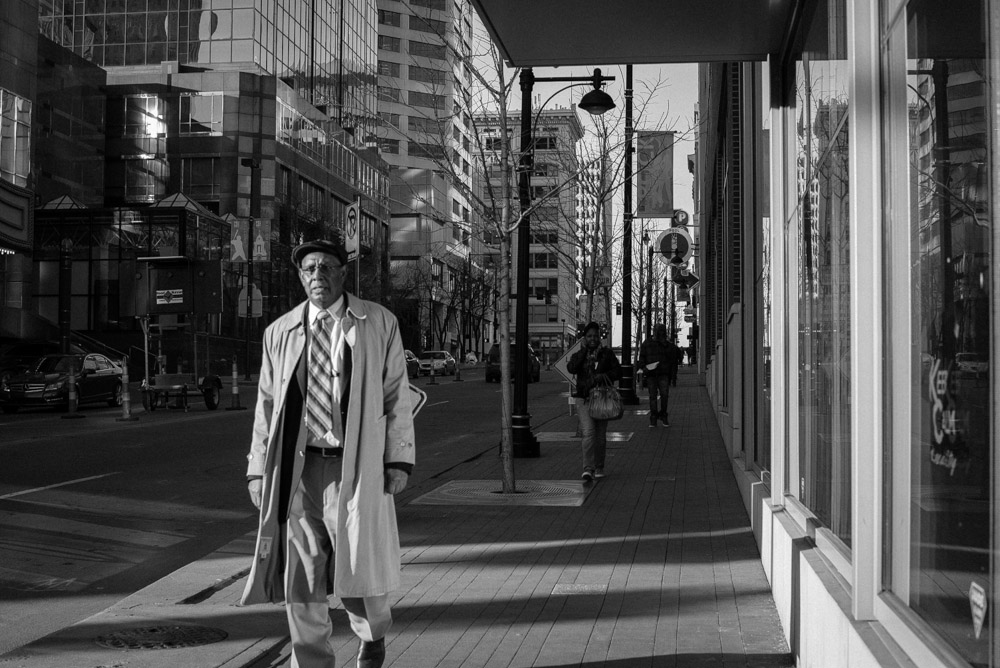
If I had to choose between a 40mm and a 50mm lens for street photography, my pick would be the 40mm. Both 40mm and 50mm lenses are solid choices for street photography, no doubt about it. They share some common strengths like minimal distortion and being compact and lightweight. But when it comes down to choosing one, the versatility of the 40mm lens edges out the 50mm for my style of photography.
The 40mm lens is a bit wider, which gives you more flexibility in various situations. In the unpredictable world of street photography, you can’t always control how much space you have to work with. In tight spaces, a 40mm lens is more likely to allow me to get the photos I want. With a 40mm lens, I can easily move closer to my subjects or crop the image later if needed. But with a 50mm, if I find myself in a cramped space, I might not be able to step back enough to capture the whole scene, and obviously you can’t croup out.
Another point in favor of the 40mm is how it closely matches the human eye’s perspective. This makes the photographs feel more natural and immersive, aligning with my goal of creating layered, photos that transport the viewer onto the streets. It’s about capturing the essence of being there, and the 40mm lens is better suited to creating that look.
If your style leans more towards abstract street photography, with a focus on compression and isolation of subjects, then a 50mm might be more up your alley. But for me, the 40mm’s versatility and natural perspective are key.
Carrying both a 40mm and 50mm in your bag doesn’t really make sense to me, as their focal lengths are too similar and they’re both relatively long for street photography. Instead, pairing a 40mm with something wider like a 28mm, or a 50mm with a 35mm, offers a more practical range, covering more scenarios and styles without overlapping too much. This way, you’re prepared for more situations without redundant street photography gear.