Wildlife Photography Tips for Beginners: Capturing Animals in their Natural Environment

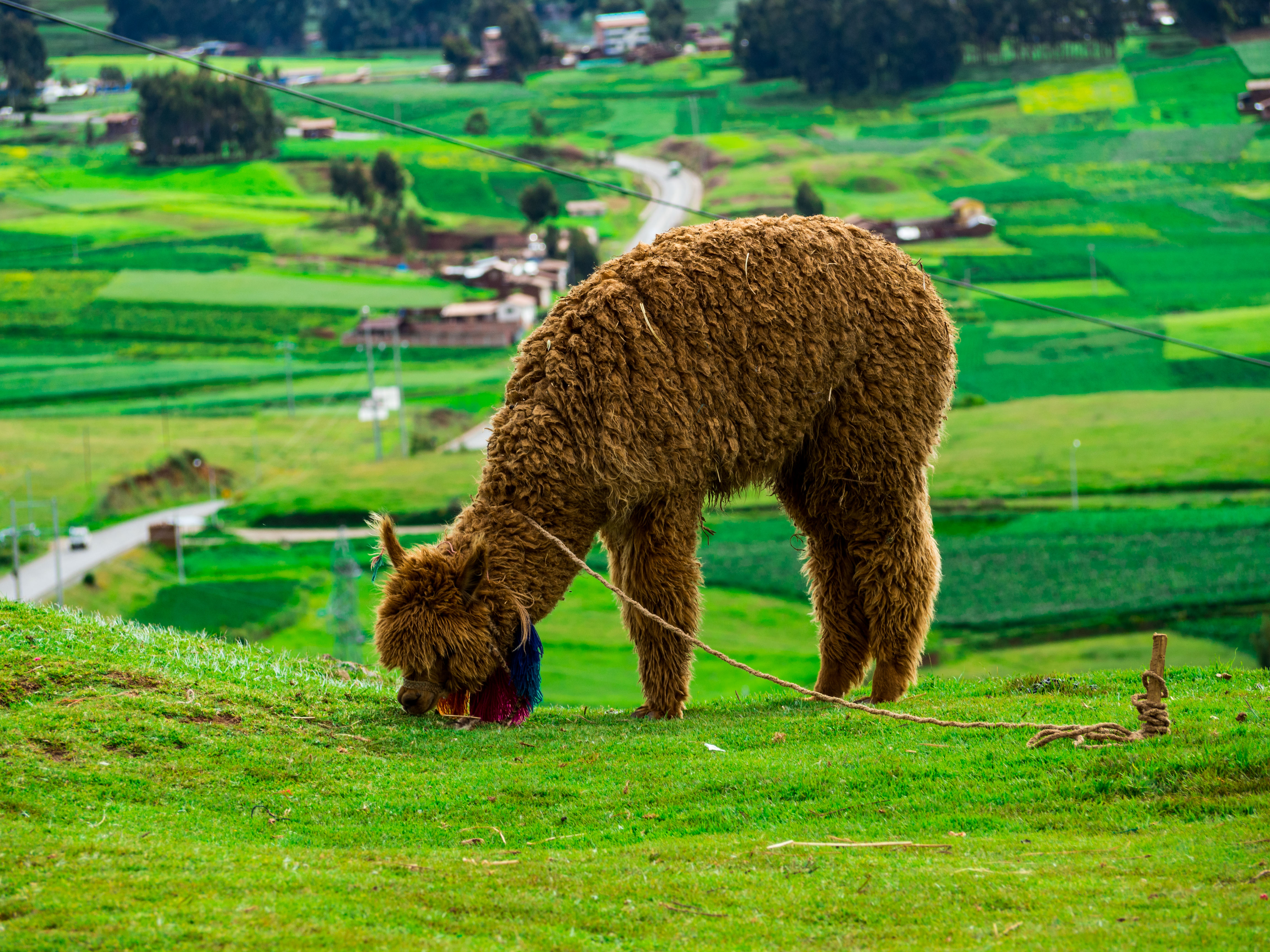
There is a lot more to wildlife photography than just snapping a quick shot of an animal.
Good, attention-grabbing wildlife photography tries to capture emotion within the photo and, in turn, tell a story. This isn’t always easy, as some animals move fast and others you can’t get close to. As a result, your choice of gear is almost as important as your technique in wildlife photography.
Here are some wildlife photography tips for beginners designed to help improve your photography and help you capture beautiful images of wildlife in action.
Be Patient
Patience is a necessity when it comes to wildlife photography.
It is vital to be able to wait for your subject, sometimes for hours at a time, to get that perfect shot. If you are constantly moving from one spot to the next, you are also constantly disturbing the nature around you.
While you may think you aren’t leaving a trace, wild animals can usually hear and even smell you from miles away. If you practice staying on a known spot for extended periods of time, the wild animals around you will eventually consider you to be just another part of their environment and in turn they will come up to you or at least get close enough for you to get that perfect shot.
Don’t believe me? Look at wildlife photographer Konsta Punkka. His photos are an excellent example of how patience plays a role in wildlife photography
Know your gear
This may sound redundant, and in a way apply to most types of photography, but it is especially important when it comes to wildlife photography.
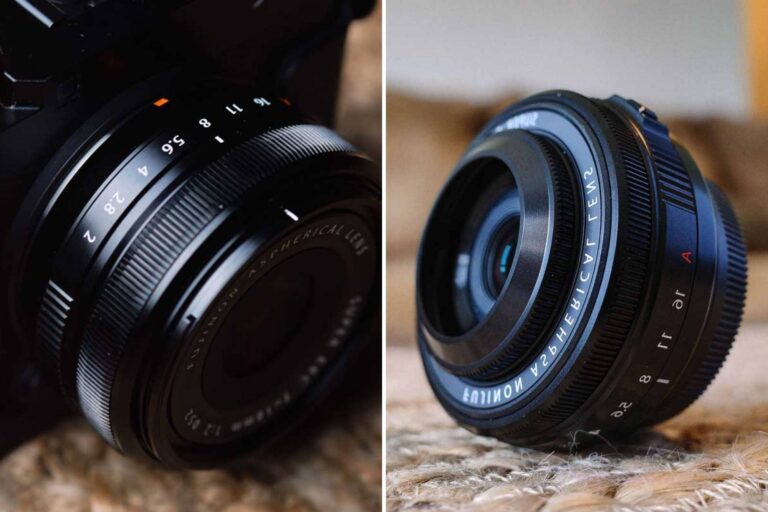
As mentioned, often you will have to be at a great distance from your subject and in turn have to use a long lens. It is important for you to know your lenses inside and out. You need to know just how far you can be to still get a crisp image, the amount of distortion it can create and the aperture limitations it comes with.
Then you need to make sure your camera and lenses are capable of shooting in whatever conditions you may find yourself in. That may be low light which could require a high ISO or wide aperture lens. It could mean you find yourself in inclement weather like rain or snow, which requires your camera to have proper weather sealing.
If you know your gear then you are far less likely to miss a shot because of some technical error.
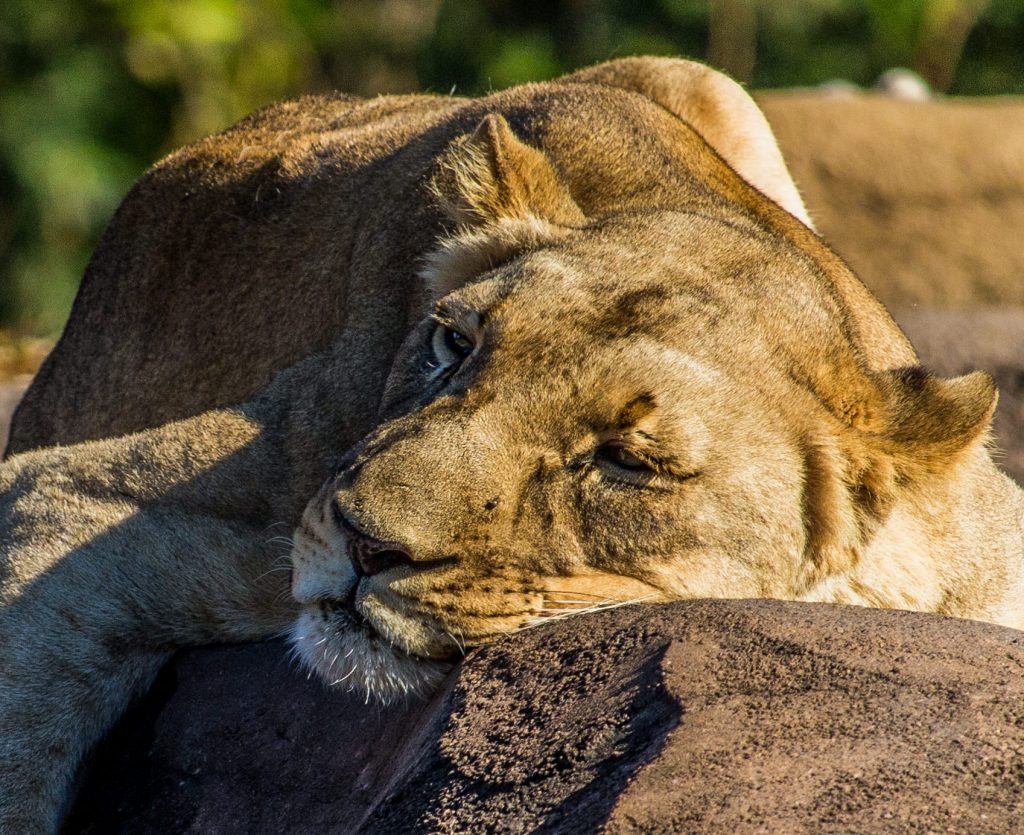
Conduct research
Researching and knowing your subject ahead of time can help you be better prepared to capture excellent wildlife photography.
Knowing how the animal behaves and what their habits are, are key elements to getting the right shot. Different animals are active at different times of day, they feed at specific locations, specific times and sometimes aren’t even around in specific seasons. The last thing you want is to be waiting a couple hours in one spot that the animal would never be caught near.
It’s also important because some animals can have violent tendencies and knowing what can incite those tendencies can be life or death knowledge. Wildlife is exactly that, wild and when you are in their territory you are subject to their rules of nature. Be prepared and never underestimate.
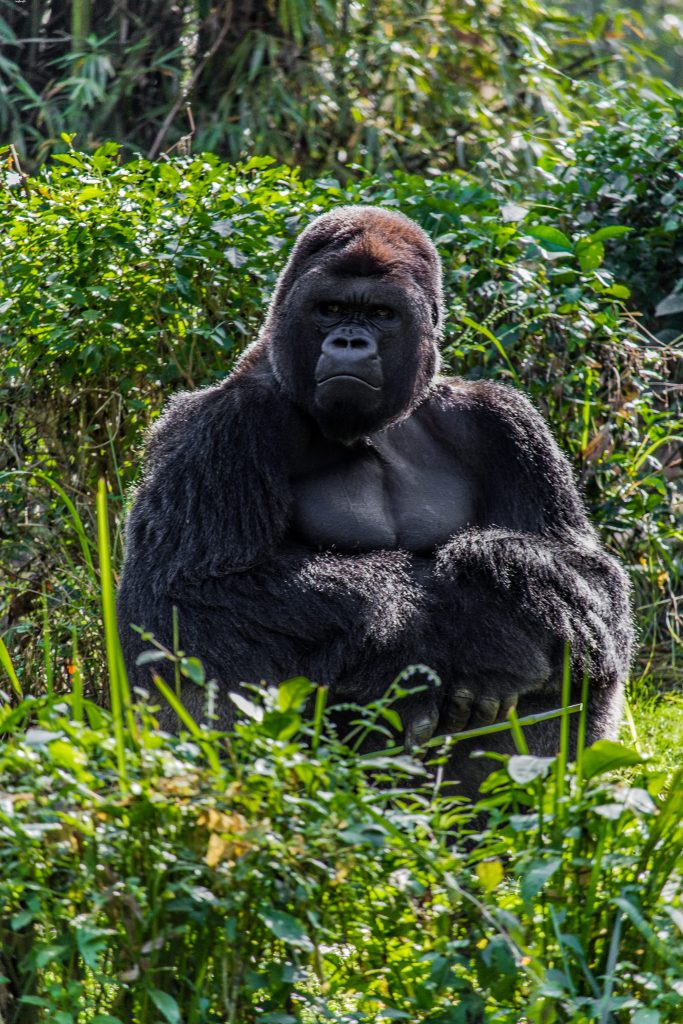
Practice
You’ve heard this before and you’ll hear it time and time again.
Practice is the best way to improve your photography game. You need to be willing to make mistakes, to fail, and to go out and try again and again to get those shots.
Don’t be discouraged if at first all your photos come out blurry or they all look like they were taken at a zoo. Instead, inspect your photos, print them and see what went wrong, how you could have framed the subject better, how you could have gotten the lighting better and go out there are try again. It’s the only way to truly improve and the best way to improve.
Cover image by Nico Rivas