The Blurred Background Effect in Photography

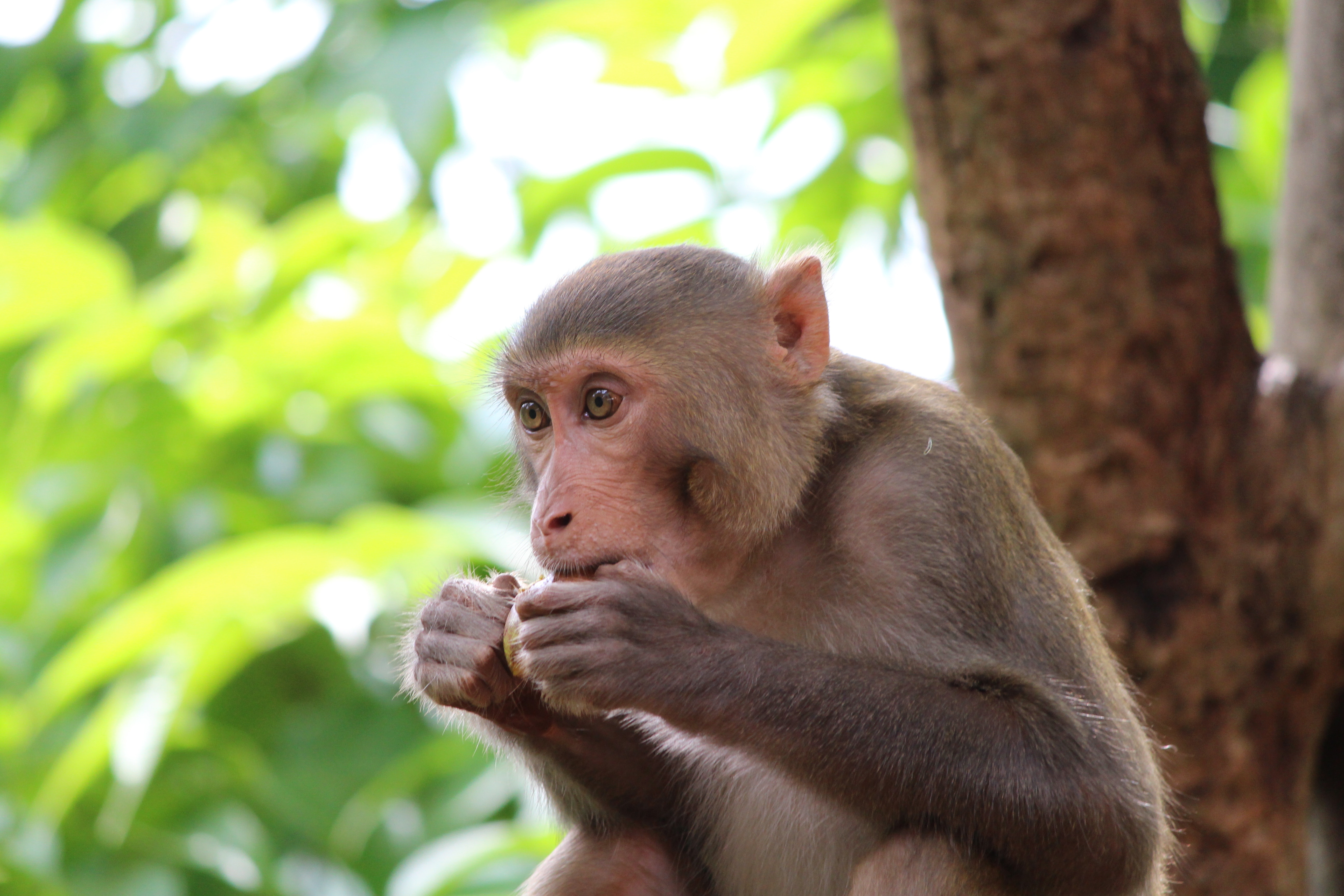
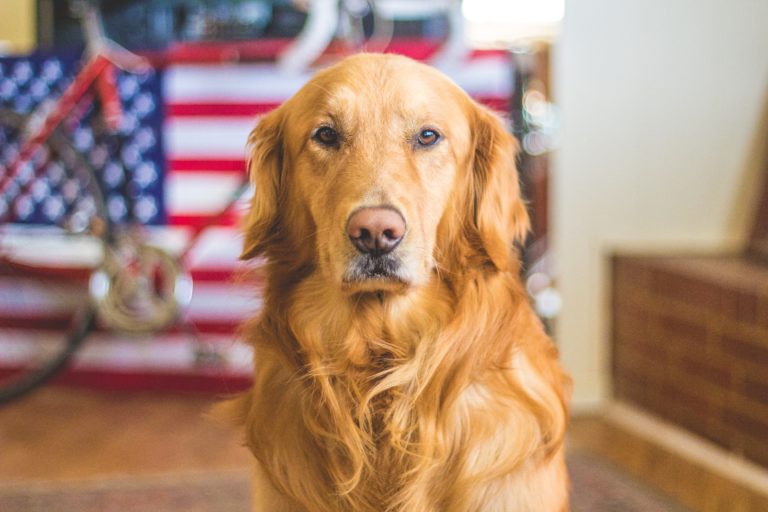
If you’ve paid close attention to pictures before, you’ve probably noticed that some have a lot in focus whereas others it’s the opposite, resulting in a blurred background effect. This blurred background effect, also known as “bokeh” among photographers, named after the Japanese word for “blur” can be done in a very tasteful way that enhances images by drawing the viewer in.
Usually this works because the photographer chooses to focus on a subject within the frame, and the blurred areas of the image remove distracting elements of the frame.
But how and when should we use a blurred background effect in our photography? That’s what this article will address.
How do you get a blurred background effect?
In photography, there are basically two ways to achieve the look you get with a blurred background effect.
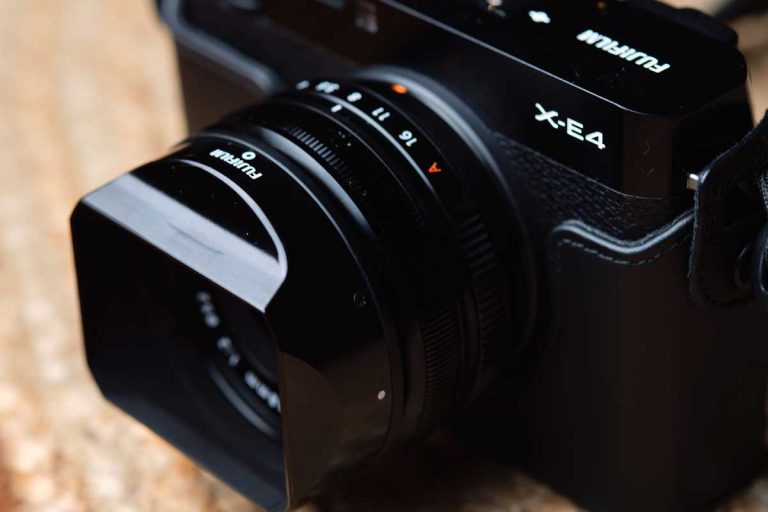
The first is to use a wide aperture. On most cameras, you adjust the aperture on a wheel on the front right-hand side of the camera.
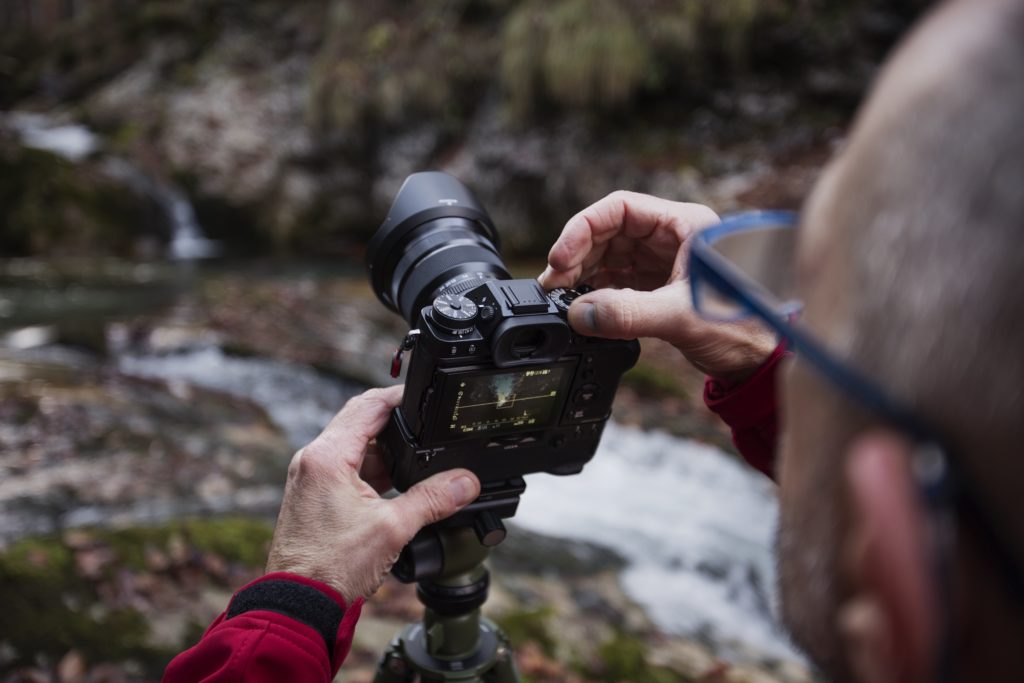
To choose a wider aperture, you adjust the wheel until you get to the smallest or one of the smaller numbers. This indicates the size of the aperture your camera is set to. The smaller the number the wider the aperture and vice versa.
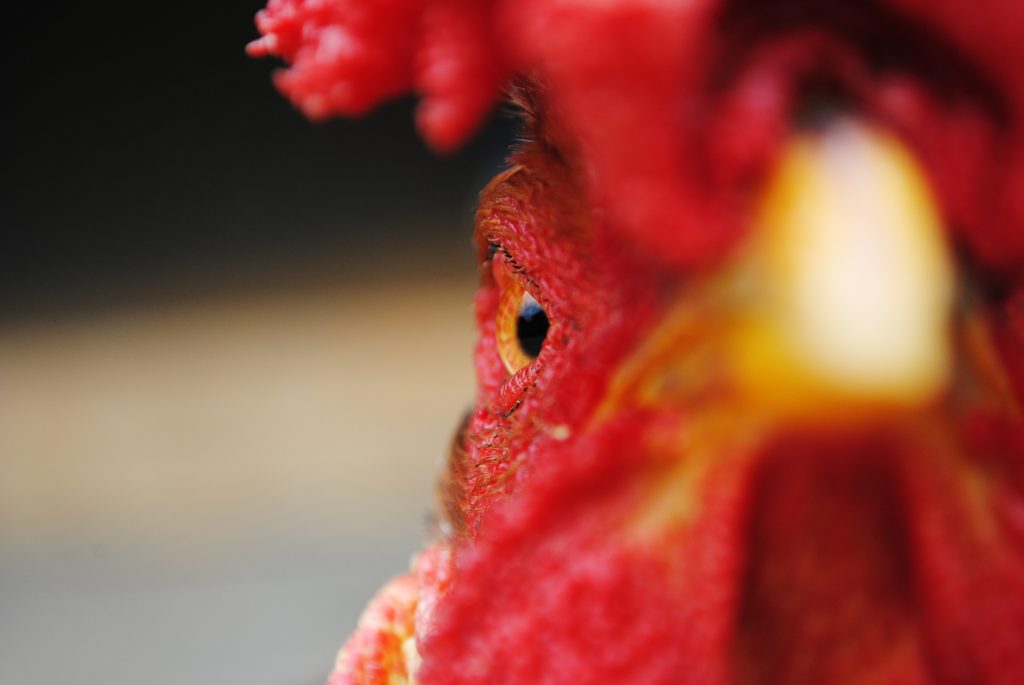
The second way to get more of a blurred background effect is to move closer to your subject. The closer you are to what you focus the camera on, the more of the background will be blurred out.
When to use a blurred background effect
A blurred background effect works great for certain types of photography but not in every situation.
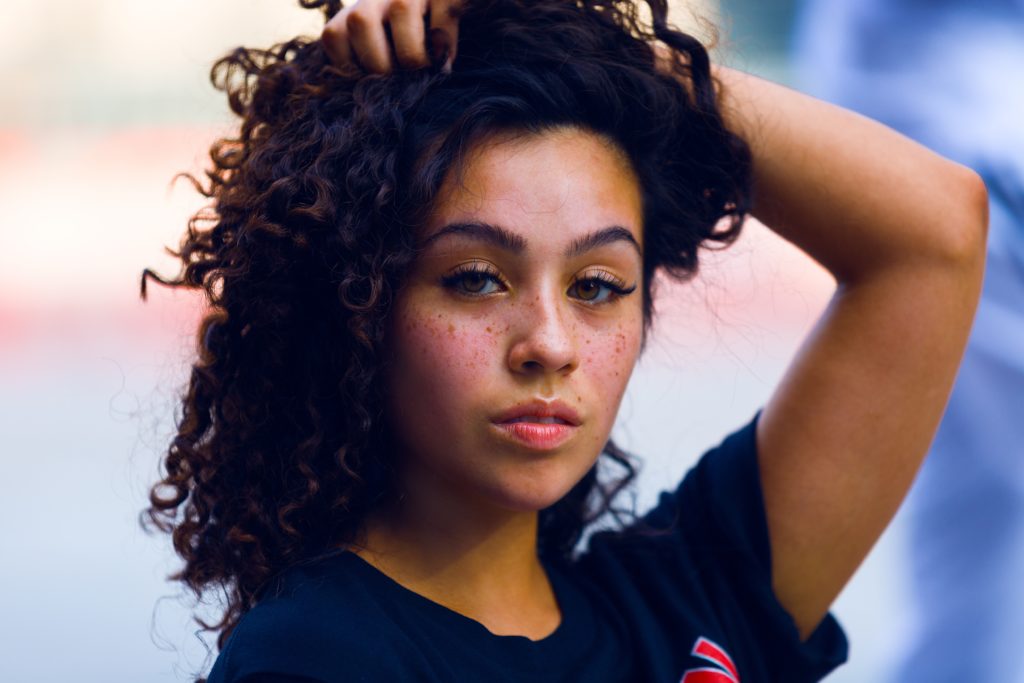
The most common and obvious type of photography that works well with a blurred background effect is for portraits. With portraits, usually the emphasis is placed on the subject so you want the subject in focus and then you want the background out of focus so that it doesn’t distract from the subject.
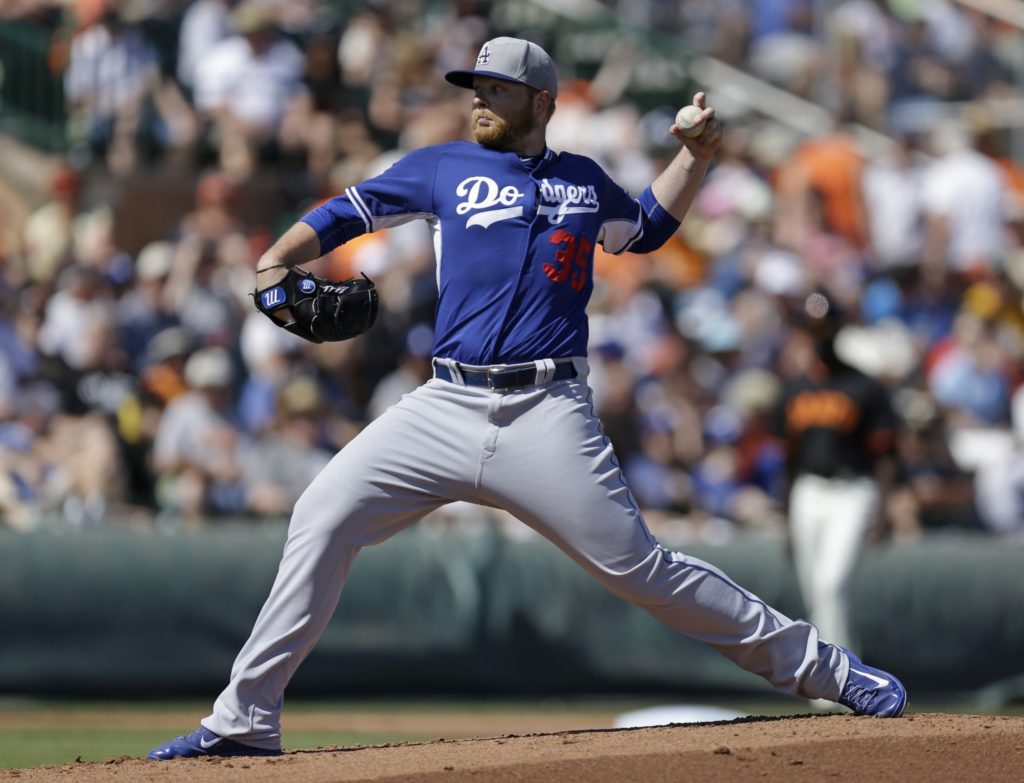
Sports photographers commonly blur out the background so that crowds and other things don’t detract from the athletes.
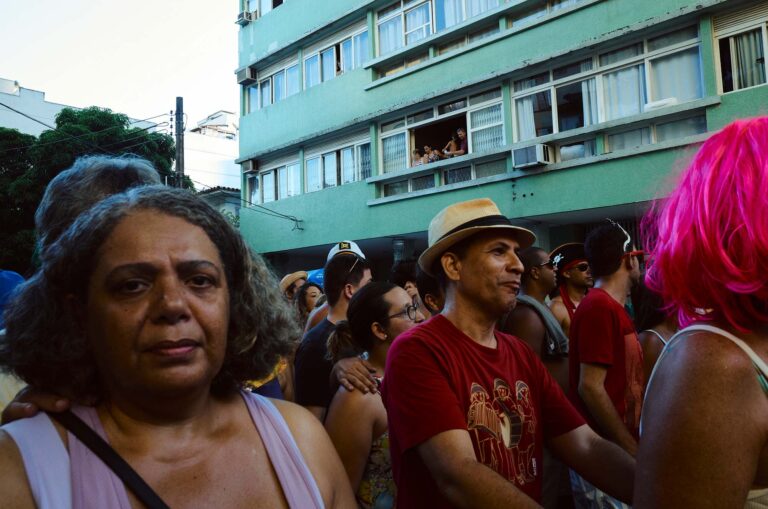
I would not recommend using a blurred background effect for photography such as landscapes or street photography, as these tend to work better with the details in focus.
With that said, as with everything in photography, there are always exceptions to the rule.
Conclusion
Blurring out the background in photography is an essential tool in your kit of photography tricks. However, a lot of photographers go overboard with it and start shooting all their photos at a wide aperture to get a shallow depth of field.
Getting a blurred background effect is great for certain purposes, but it’s important to plan out and think about your shots so that you’re using the right techniques in the right situations.