3 Reasons Why Your Pictures are Blurry

It can be annoying to have your pictures turn out blurry and not know the reason why.
The good news is that there are only a few reasons why photos turn out blurry, so it’s easy to correct course by by adjusting some aspect of how you’re using your camera.
If you’re asking yourself, “why are my DSLR pictures blurry?” (or any type of camera for that matter), there’s likely just two reasons why. These are small and easy adjustments to make but can make a world of difference in the end result you get in your pictures.
Why Your Pictures are Blurry Reason Number 1: Shutter Speed Too Slow
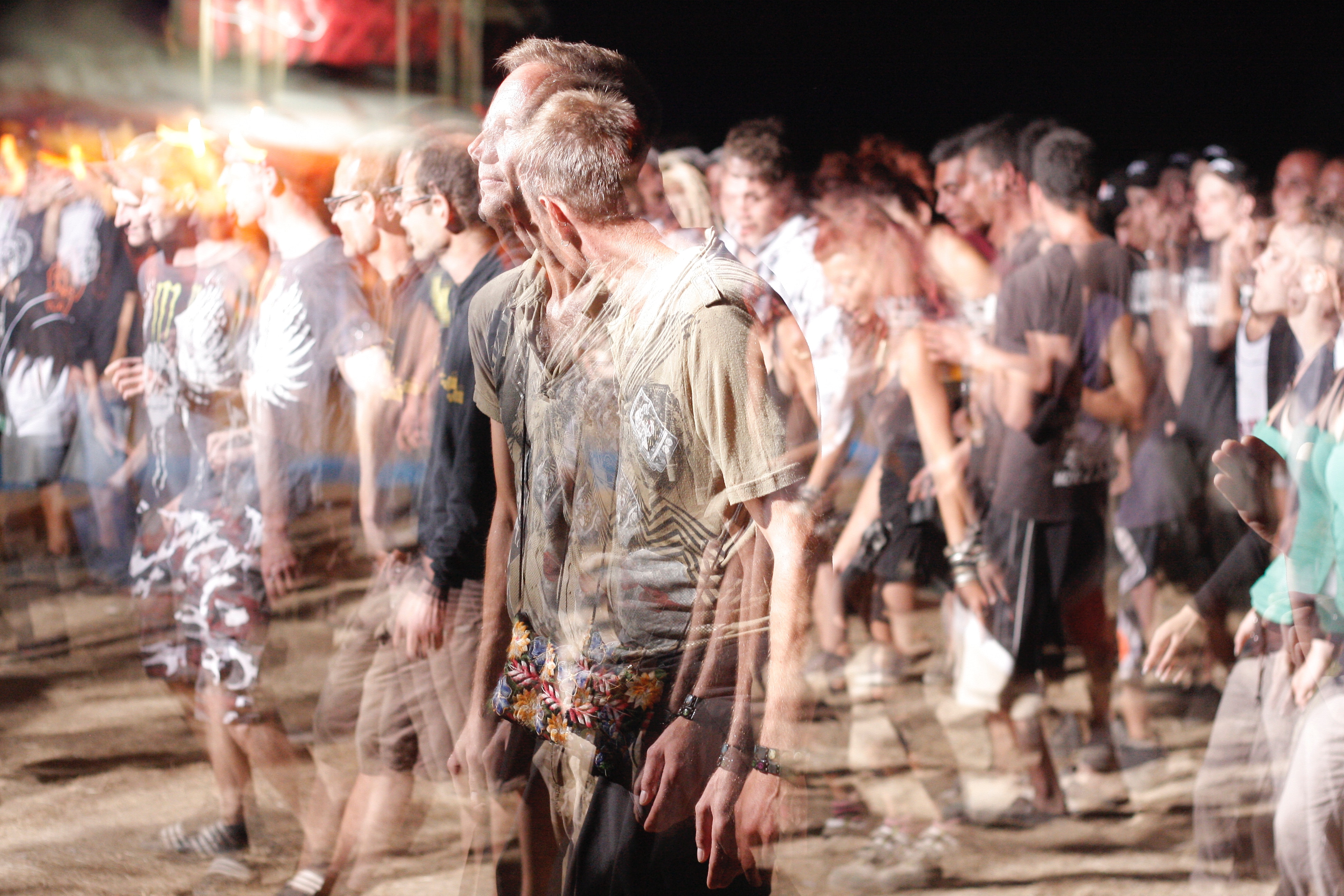
This is easily the most common reason for your pictures being blurry. The slower your shutter speed, the more likely your pictures will have motion blur in them.
Motion blur happens when you use a slower shutter speed and either your subject is moving too fast for the shutter speed to be in focus or because the shutter speed is slow enough that you physically moving the camera as you press the shutter button causes the motion blur.
The simple fix for this is simply to increase your shutter speed. Now, I realize that might not sound so simple if you’re new to photography.
So what you need to do is to either set a minimum shutter speed in manual mode or shutter priority mode.
If you’re shooting in manual mode, you can start by choosing a shutter speed that’s going to be fast enough for the situation and then choosing your aperture and ISO accordingly. By choosing a shutter speed fast enough to eliminate motion blur, that may mean you need to raise your ISO and widen your aperture. Every situation differs, so you’ll need to pay attention to the meter on your camera after choosing a shutter speed to get your aperture and ISO correct.
There are some general guidelines for how fast your shutter should be to get sharp images. If you’re shooting people sitting still, 1/125s is usually sufficient. Likewise, 1/250s is usually fast enough for people in motion.
The alternative to shooting in full manual mode is to shoot in shutter priority mode. Shooting in shutter priority mode is much easier than shooting in full manual but also comes with less control.
Really all you need to do to shoot in shutter priority mode is to choose a shutter speed and let the camera do the rest. It makes it easier if you put your camera into auto ISO as well, that way you just choose your shutter speed and the camera chooses both the aperture and ISO for you.
As long as you choose a fast enough shutter speed for the situation, your camera should do the rest in shutter priority mode.
Number 2: Not Focusing on Your Subject
This may seem really obvious to some, but I’ve seen this time and time again, mostly among people who have no interest in becoming a professional photographer but just want to take good pictures. The problem is simply not focusing on your subjects.
There are several ways you can set your camera to focus on subjects in photography.
Single point auto-focus lets you focus on a very specific point of your frame to bring into focus. This is a good option for portraits; you can focus on on of your subjects’ eyes and get good results.
Multi-point auto-focus modes give more decision-making power to your camera but also make things easier for you. It usually focuses on faces or some other subject close to you.
To be effective at any of your camera’s focusing modes, you need to know what focusing mode you’re in and what button your camera is set at to focus. Most cameras come standard with the focus button being the shutter button pressed half way down, and then when you press all the way down the camera takes an exposure.
Cameras can also be set to use a button on the back of the camera to focus and then use the shutter button to take the exposure.
I prefer the latter.
3. There May be Something Wrong with Your Lens or Camera
I’m not going to dwell on this section too much because the vast majority of cases in which you can’t get your subject in focus are due to user error of a camera.
But if you’ve gone through the two previous sections and still can’t seem to get your camera to focus properly, there may be something legitimately wrong with your camera body or lens. Sometimes, a lens’s calibration can be out of whack, in which case you need to calibrate it, which actually isn’t all that difficult.
If calibrating a lens doesn’t work, the last resort is to bring your equipment into a local photo gear technician or send your gear off to your manufacturer.
Conclusion
Have you gone through the troubleshooting steps of why your images are blurry in this article and you’re still not getting the results you want?
Let us know in the comments below and we’ll do what we can to help out.